
06 Jun 2026
How Much Does Custom Flexible Packaging Cost in 2026? A Complete Buyer's Guide
When sourcing custom packaging bags or roll stock films, one of the first questions buyers ask is:
"How much does custom flexible packaging cost?"
Unfortunately, there is no universal answer.
The price of custom packaging depends on multiple factors, including material selection, bag style, printing requirements, order quantity, and production methods.
Understanding these factors can help food brands, coffee roasters, pet food manufacturers, and packaging buyers make smarter purchasing decisions and avoid unnecessary costs.

Why Packaging Prices Vary So Much
Two packaging bags may look similar from the outside but have completely different production costs.
For example:
A simple transparent pouch may cost significantly less than a premium coffee bag featuring:
Aluminum foil structure
One-way degassing valve
Matte finish
Resealable zipper
Custom gravure printing
This is why packaging suppliers typically request detailed specifications before providing quotations.
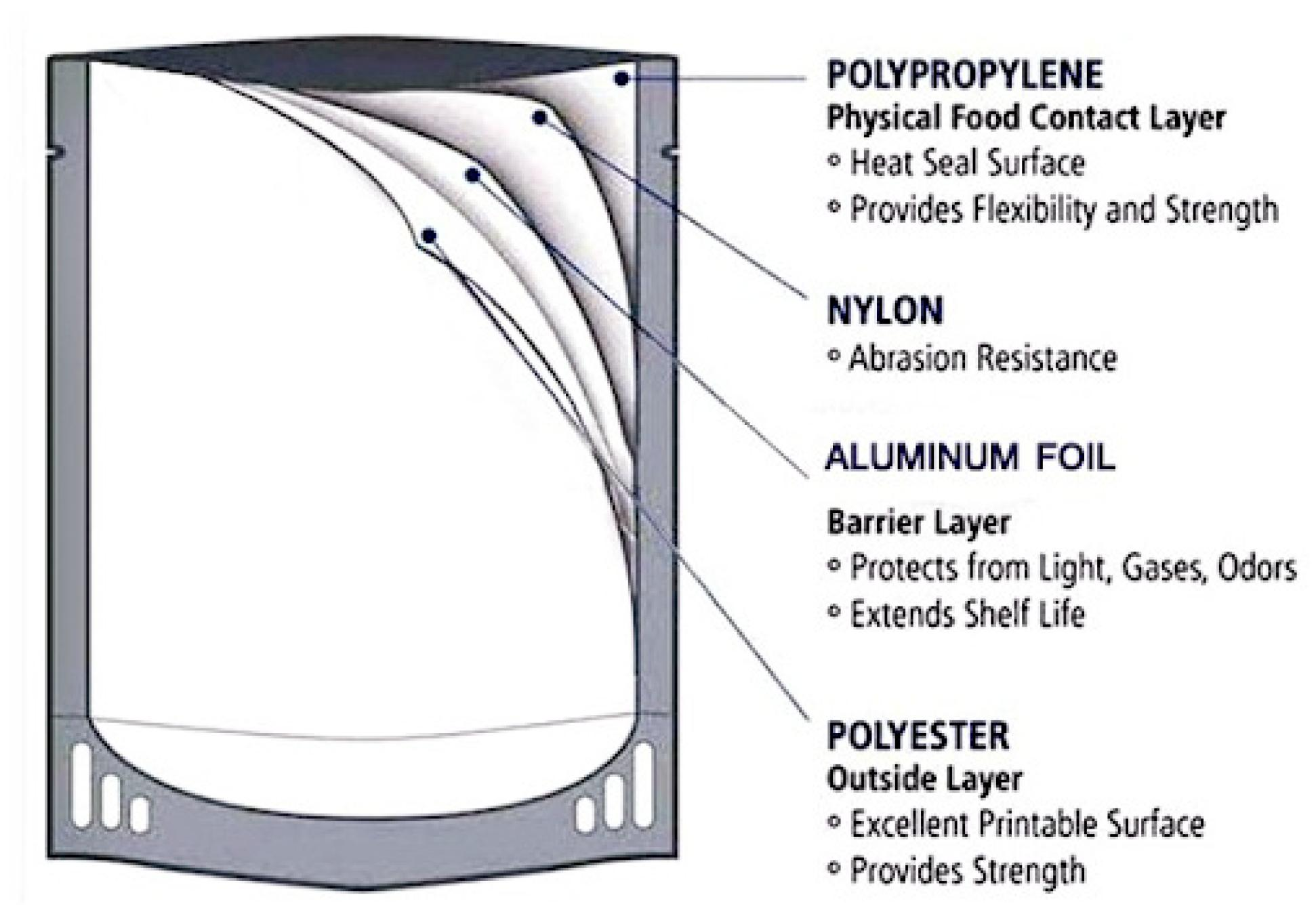
Factor #1: Packaging Material Structure
Material selection is usually the largest cost factor.
Common structures include:
PET / PE
Suitable for:
Snacks
Candy
Dry foods
Advantages:
Cost-effective
Good printability
Suitable for many general food products
PET / AL / PE
Suitable for:
Coffee
Protein powder
Premium food products
Advantages:
Excellent oxygen barrier
Longer shelf life
Premium appearance
NY / PE
Suitable for:
Frozen food
Vacuum packaging
Seafood
Advantages:
High puncture resistance
Strong sealing performance
The more complex the material structure, the higher the packaging cost.
Factor #2: Bag Style
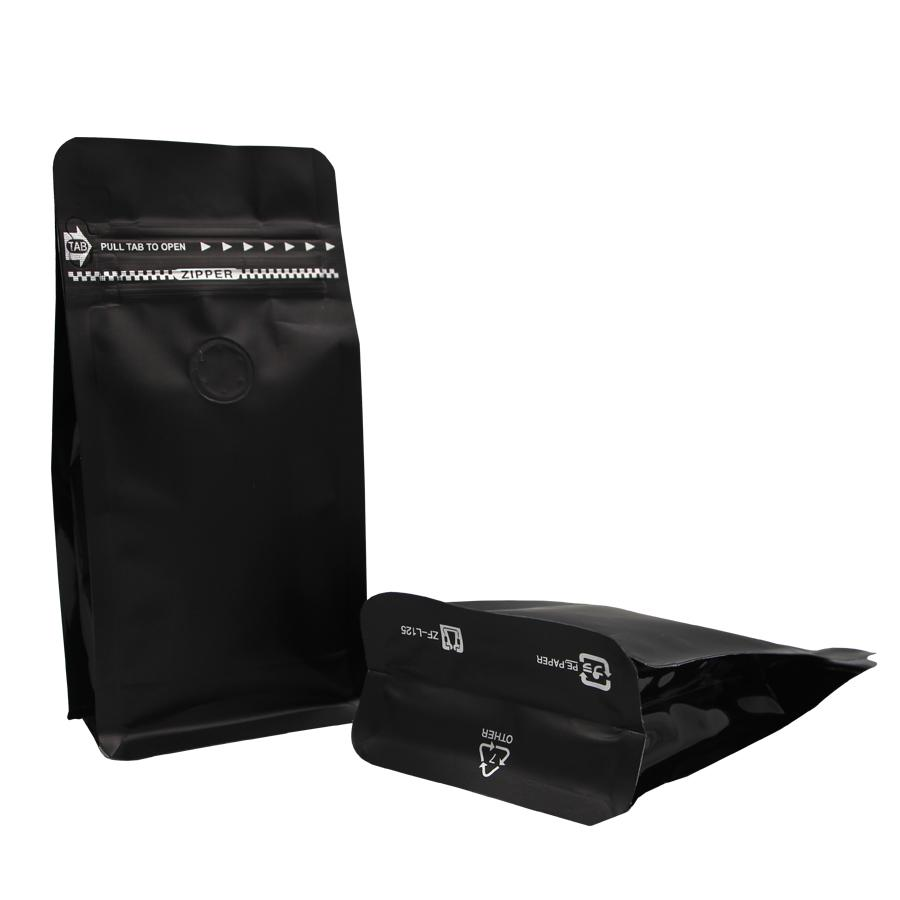
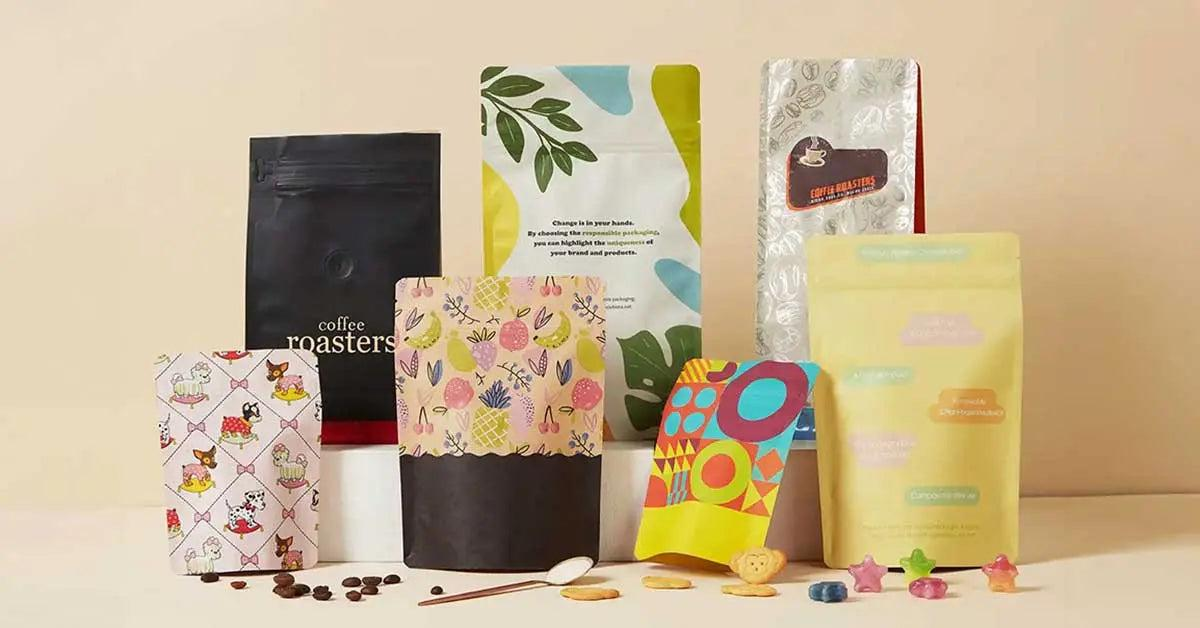
Different pouch styles require different manufacturing processes.
Three Side Seal Bag
Generally one of the most economical options.
Stand Up Pouch
Offers better shelf display and branding opportunities.
Flat Bottom Bag
Popular for coffee and pet food packaging.
Usually more expensive because of the additional production steps.
Spout Pouch
Includes a spout and cap system.
Higher production cost but excellent convenience.
Factor #3: Printing Method
Printing has a significant impact on pricing.
Gravure Printing
Advantages:
Outstanding print quality
Suitable for large orders
Lower unit cost at high volumes
Disadvantages:
Cylinder cost required
Higher initial investment
Digital Printing
Advantages:
No cylinder cost
Fast production
Ideal for small orders
Disadvantages:
Higher unit cost for large volumes
Choosing the right printing method depends largely on order quantity.
Factor #4: Order Quantity
Order quantity dramatically affects unit price.
For example:
5,000 bags
20,000 bags
100,000 bags
The larger the order, the lower the cost per unit.
Many buyers focus only on total investment while overlooking long-term unit cost savings.
Packaging suppliers often recommend quantities that balance inventory costs and production efficiency.
Factor #5: Additional Features
Packaging accessories increase functionality but also affect cost.
Popular options include:
Zipper closures
Tear notches
Degassing valves
Hang holes
Transparent windows
Matte finishes
Spot UV
Metallic effects
These features can improve customer experience and product positioning.
How Buyers Can Reduce Packaging Costs
Reducing costs does not always mean choosing the cheapest packaging.
Smart buyers often reduce costs by:
Selecting Appropriate Materials
Avoid over-specifying barrier requirements.
Increasing Order Quantities
Higher volumes often reduce unit pricing significantly.
Standardizing Packaging Sizes
Using common dimensions simplifies production.
Working with Experienced Suppliers
Professional suppliers can recommend more efficient structures and production methods.
Questions You Should Prepare Before Requesting a Quote
To receive an accurate quotation, provide:
✓ Product type
✓ Product dimensions
✓ Material requirements
✓ Printing artwork
✓ Quantity
✓ Bag style
✓ Special features
The more information provided, the more accurate the quotation will be.
Final Thoughts
Custom flexible packaging pricing depends on far more than bag size alone.
Material structure, printing method, order quantity, pouch style, and special features all play critical roles in determining cost.
Understanding these factors helps buyers make informed decisions while maximizing packaging performance and brand value.
For growing food brands, choosing the right packaging solution is not simply an expense—it is an investment in product quality, customer experience, and long-term business growth.