26 May 2026
Why Food Packaging Bags Are Becoming Silent Salespeople
When consumers walk through a supermarket, they are surrounded by hundreds of competing products. In many cases, packaging speaks before the product itself does. Today, food packaging bags are no longer just containers — they have become silent salespeople that influence purchasing decisions within seconds.
From visual appeal and convenience to product protection and branding, flexible food packaging now plays a major role in helping products stand out in crowded markets.
First Impressions Matter on Store Shelves
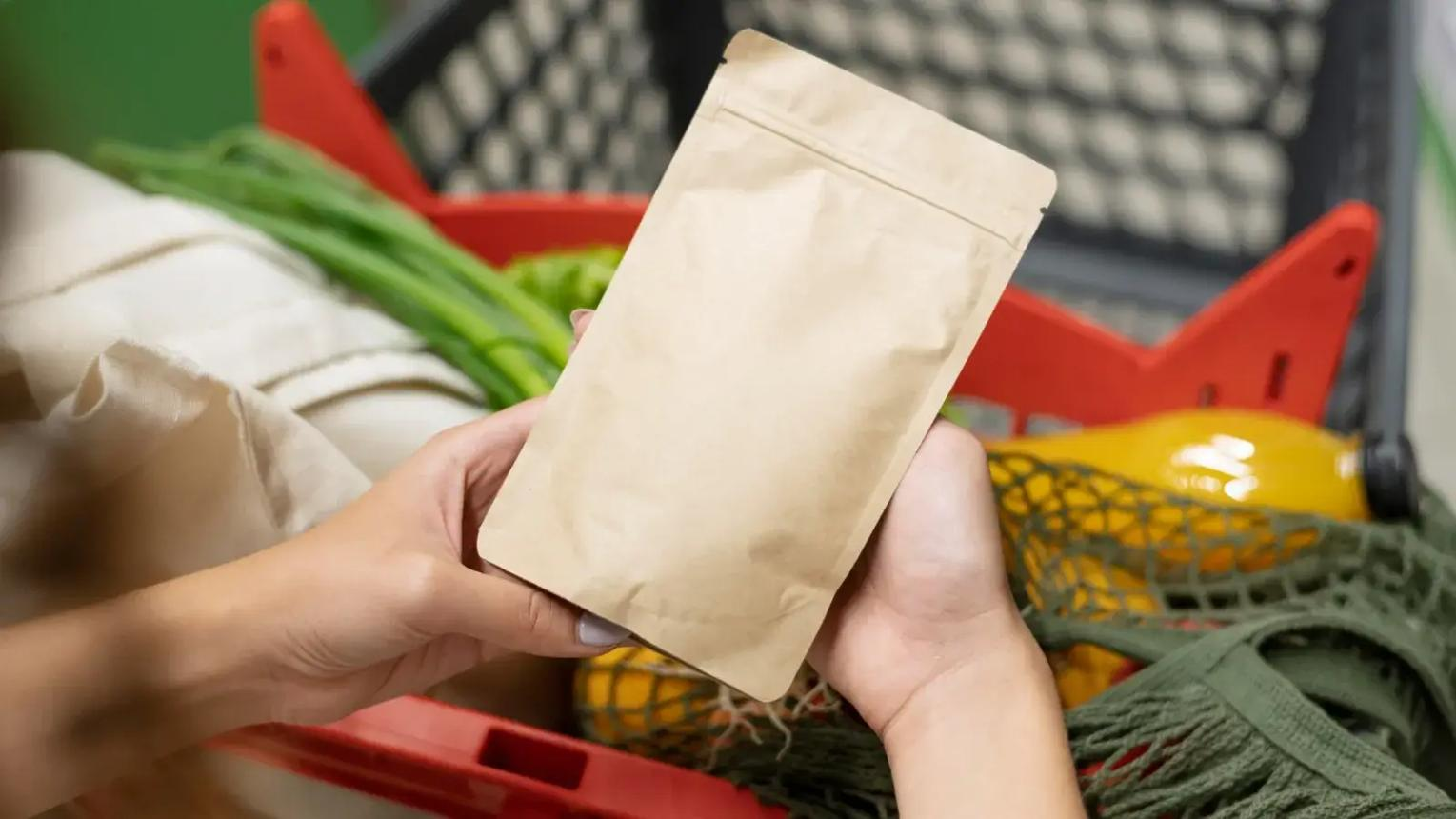
Studies show that consumers often make buying decisions within just a few seconds. Before tasting the product or reading detailed information, shoppers usually notice the packaging first.
A well-designed food packaging bag can instantly communicate:
Product quality
Brand positioning
Freshness
Flavor expectations
Premium or budget appeal
Color combinations, printing quality, matte or glossy finishes, and even pouch structure can all influence consumer perception.
For many brands, packaging has become one of the most powerful marketing tools available.
Packaging Design Influences Consumer Psychology
Modern consumers are becoming increasingly visual when shopping. In many cases, packaging design directly affects how consumers perceive a product.
For example:
Dark-colored packaging often creates a premium feeling
Bright colors attract younger consumers
Minimalist designs enhance a modern appearance
Large blank spaces create a cleaner and more luxurious look
Illustration-style graphics help brands build personality
As a result, packaging is no longer just a protective layer — it has become part of the brand’s visual language.
Flexible Packaging Improves Consumer Experience
Today’s consumers care not only about product quality but also about convenience and usability. Food packaging bags continue to evolve to match changing lifestyles and shopping habits.
Popular packaging features include:
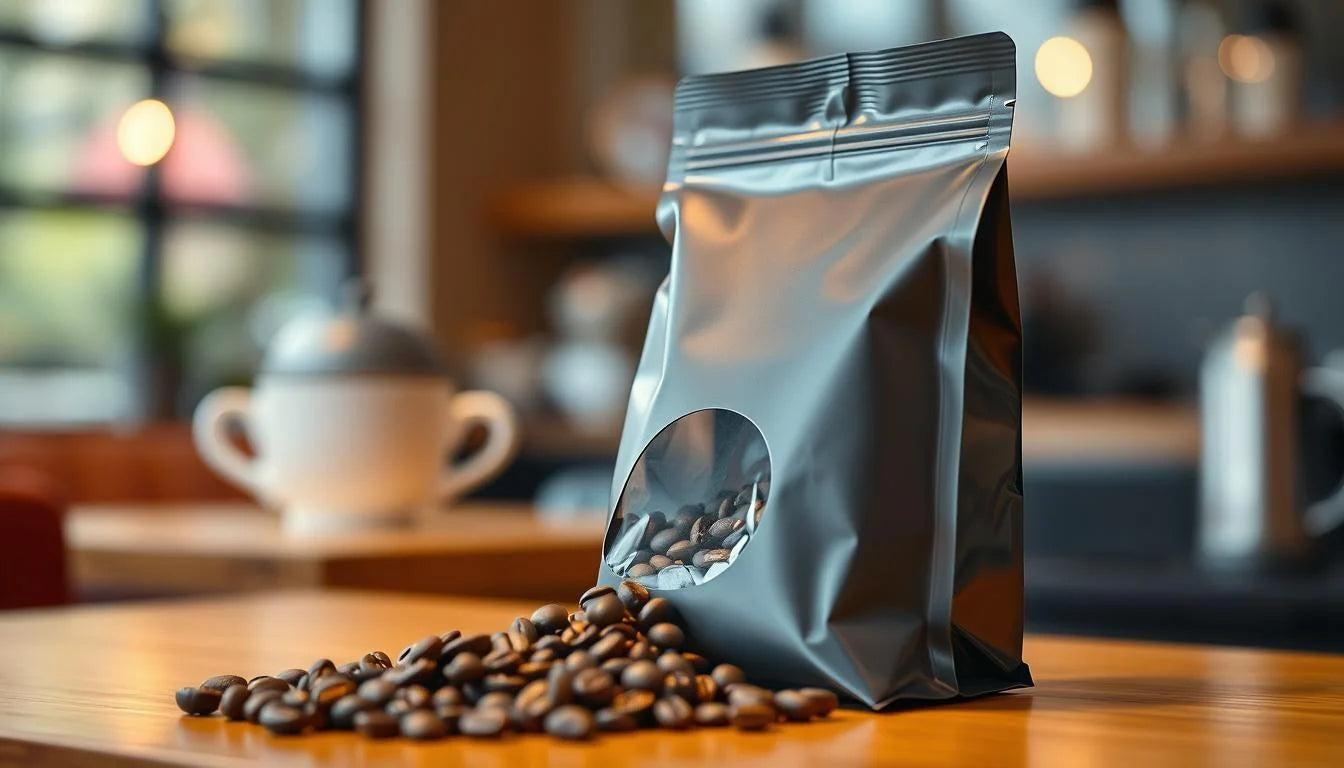
Resealable zippers
Easy-tear openings
Stand-up pouch structures
Transparent windows
Lightweight materials
These features make products easier to use, store, and carry.
Consumers are more likely to repurchase products that provide a better overall experience, and packaging plays a major role in that experience.
Packaging Protection Directly Affects Product Quality
Beyond appearance, food packaging bags also serve an essential technical purpose: protecting the product inside.
Modern laminated packaging materials help block:
Moisture
Oxygen
Light
Odors
External contamination
This is especially important for products such as coffee, snacks, frozen foods, powders, and dried foods.
Reliable packaging helps preserve flavor, texture, aroma, and shelf life while reducing product loss during storage and transportation.
For food brands, high-quality packaging means better customer satisfaction and stronger product consistency.
E-Commerce Is Making Packaging More Important Than Ever
As online shopping continues to grow, packaging is no longer designed only for supermarket shelves. It must also perform well during shipping and delivery.
Modern food packaging needs to provide:
Strong compression resistance
Leak prevention
Attractive product presentation
Better unboxing experience
Clear brand recognition
Many brands now create packaging specifically for e-commerce channels to improve customer impressions after delivery.