01 Jun 2026
Why Some Food Products Stay Fresh for 12 Months While Others Don’t: The Science Behind Packaging
Food manufacturers often focus on product quality, flavor, and branding. However, selecting the wrong packaging material can significantly reduce shelf life, increase product waste, and even damage a brand's reputation.
Different food products require different packaging structures. A packaging solution that works perfectly for coffee may be completely unsuitable for frozen food or snack products.
Understanding the relationship between packaging materials and food characteristics is essential for choosing the most effective flexible packaging solution.
Why Packaging Material Selection Matters
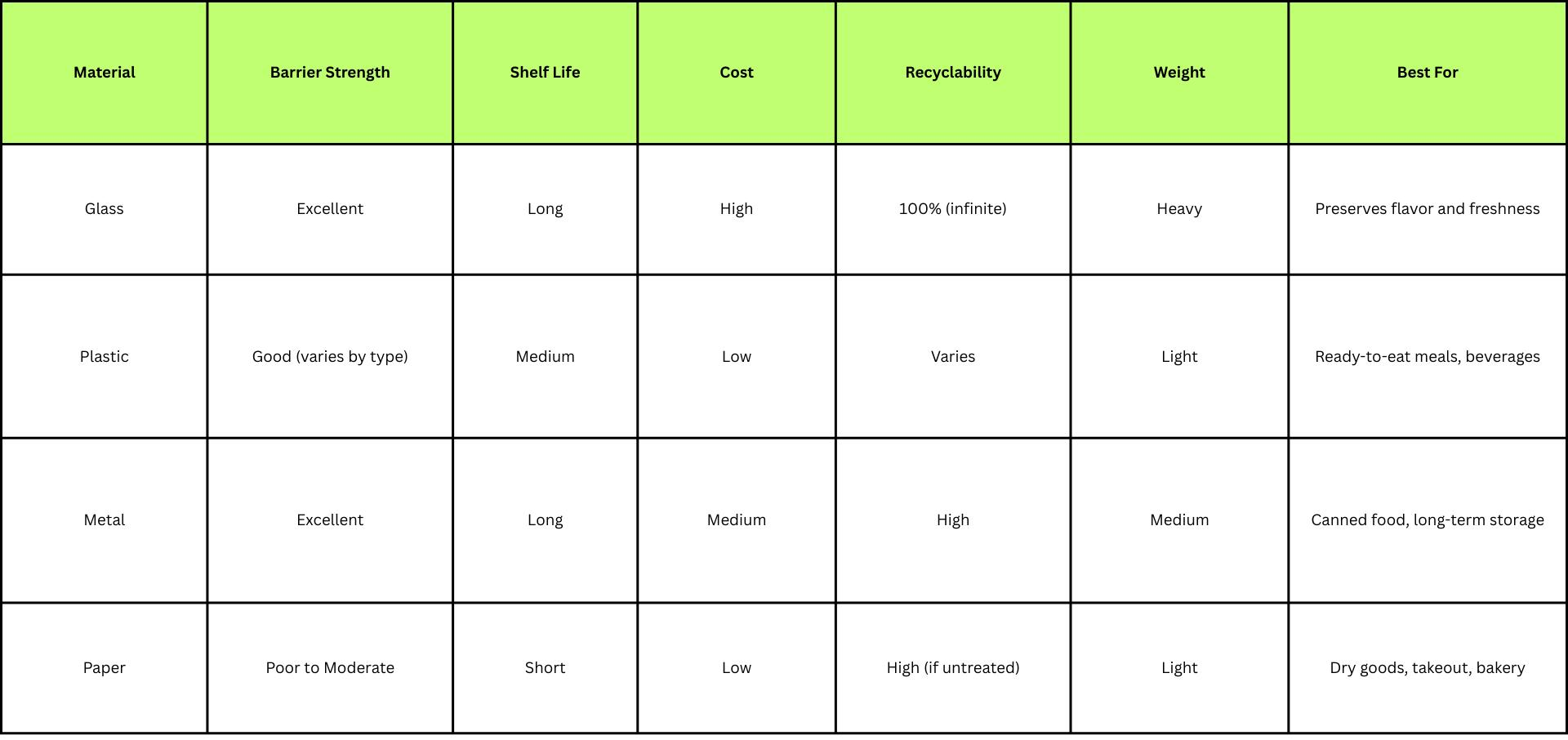
The primary function of packaging is not simply to contain a product.
Packaging must protect products against:
Oxygen exposure
Moisture penetration
Light damage
Aroma loss
Physical damage
Contamination
Selecting the appropriate material structure helps maintain product quality from production to final consumption.
Poor material selection often leads to:
Shortened shelf life
Product spoilage
Customer complaints
Increased returns
Higher packaging costs
Best Packaging Materials for Coffee
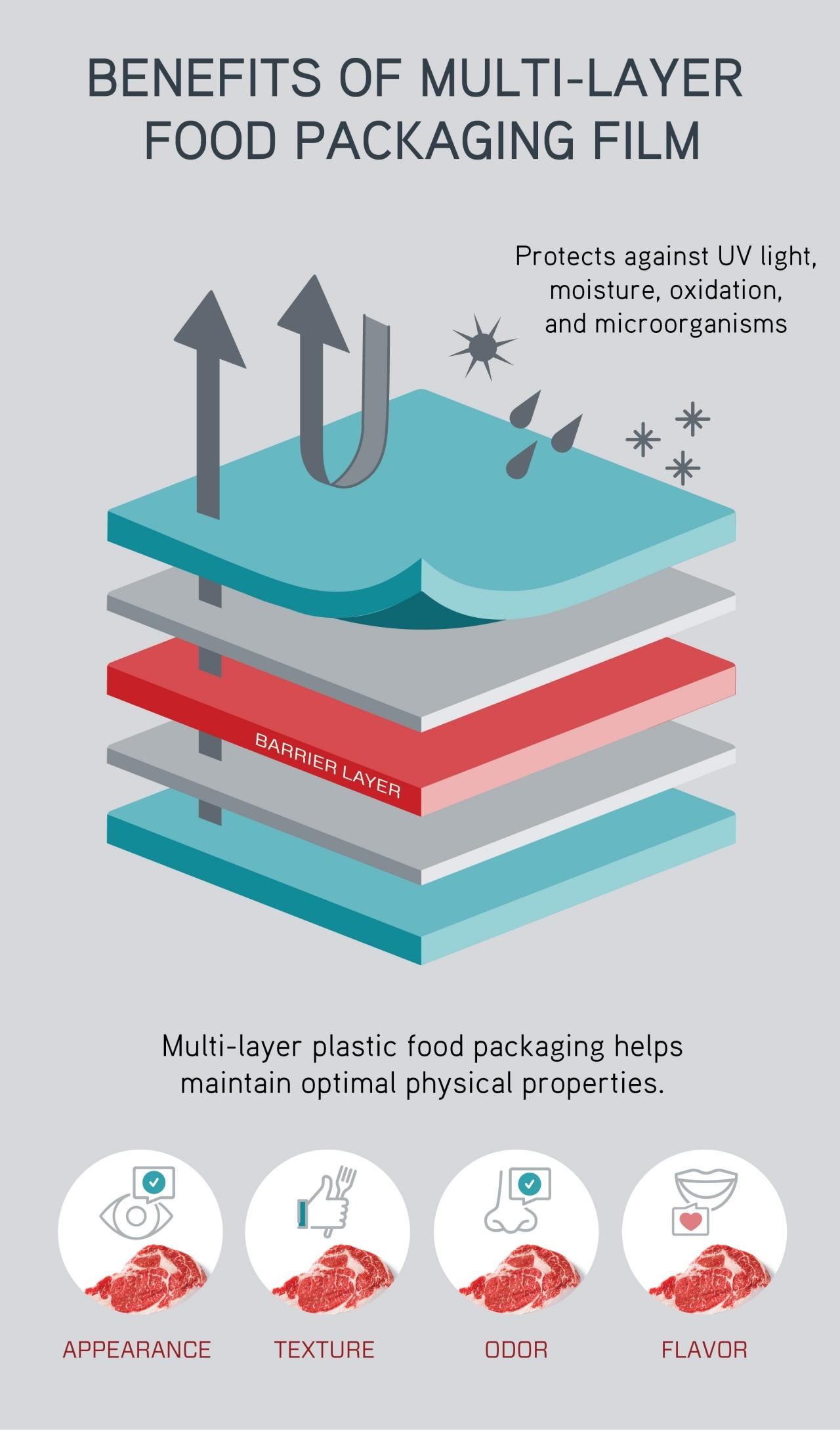
Coffee is extremely sensitive to oxygen and moisture.
Recommended structure:
PET / AL / PE
Advantages:
Excellent oxygen barrier
Strong moisture protection
Aroma retention
Longer shelf life
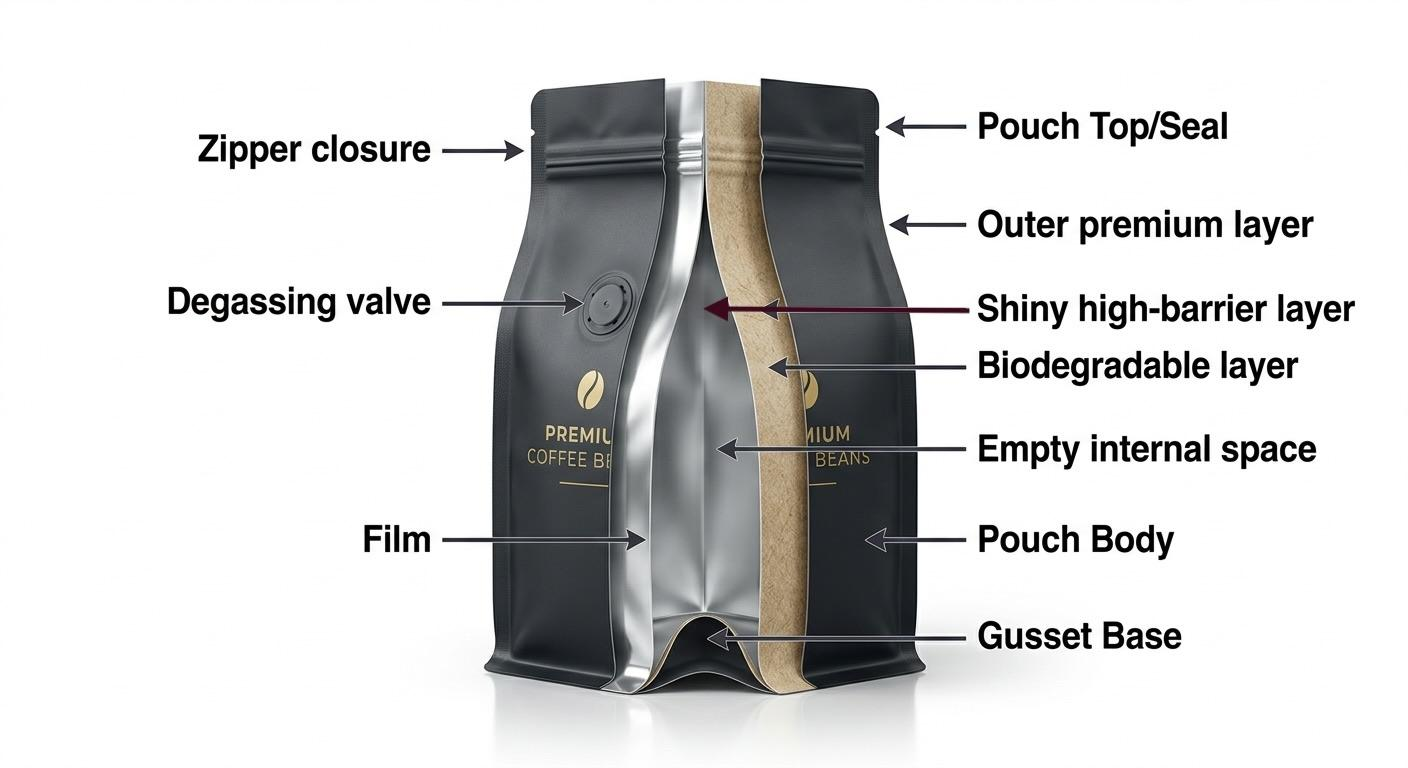
Additional features often include:
One-way degassing valve
Resealable zipper
Matte surface finish
Coffee packaging should always prioritize freshness preservation over cost reduction.
Best Packaging Materials for Snack Foods
Snack foods require protection against moisture and oxygen.
Common products include:
Potato chips
Nuts
Crackers
Popcorn
Granola
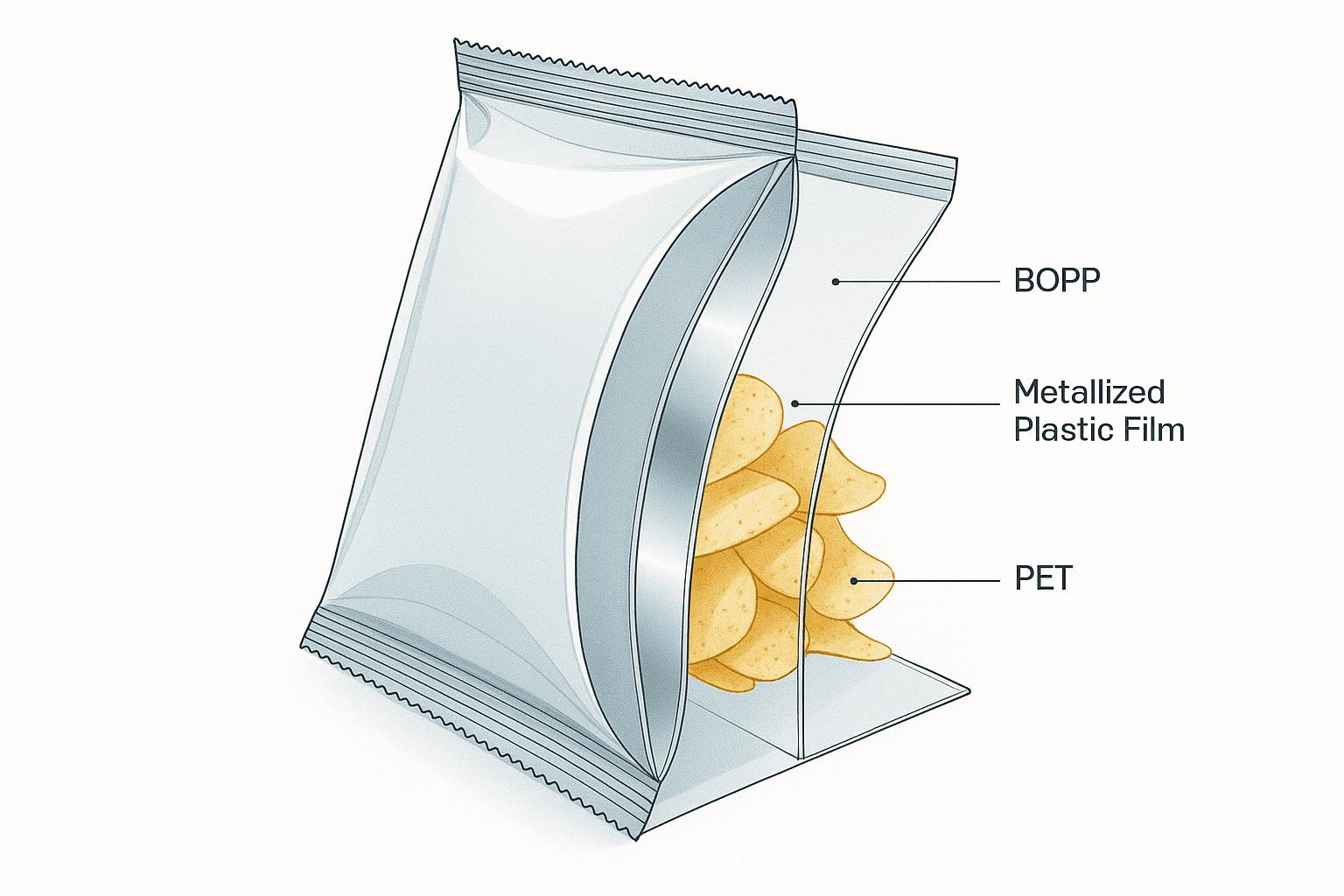
Recommended structure:
BOPP / VMPET / PE
Benefits:
Strong moisture barrier
Excellent printability
Lightweight construction
Cost-effective production
This structure helps maintain crispness and flavor throughout the product's shelf life.
Best Packaging Materials for Frozen Foods
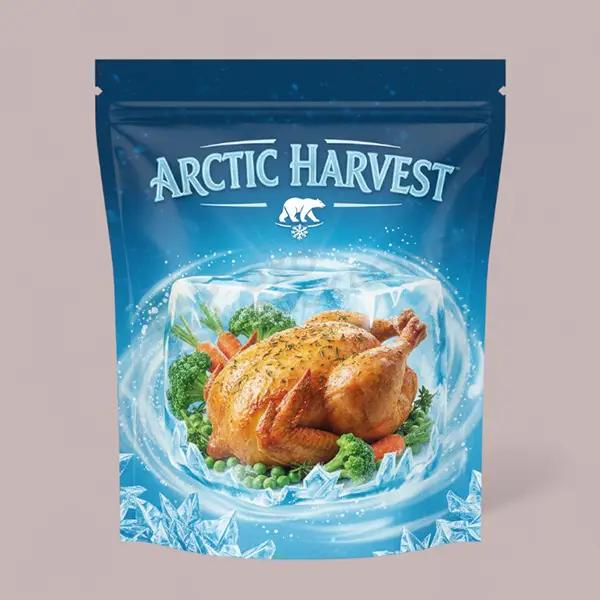
Frozen foods face unique challenges because packaging must withstand low temperatures without cracking.
Recommended structures:
NY / PE
or
PET / NY / PE
Advantages:
Puncture resistance
Low-temperature durability
Strong sealing performance
Leak prevention
Common applications:
Frozen vegetables
Seafood
Meat products
Ready meals
Best Packaging Materials for Pet Food
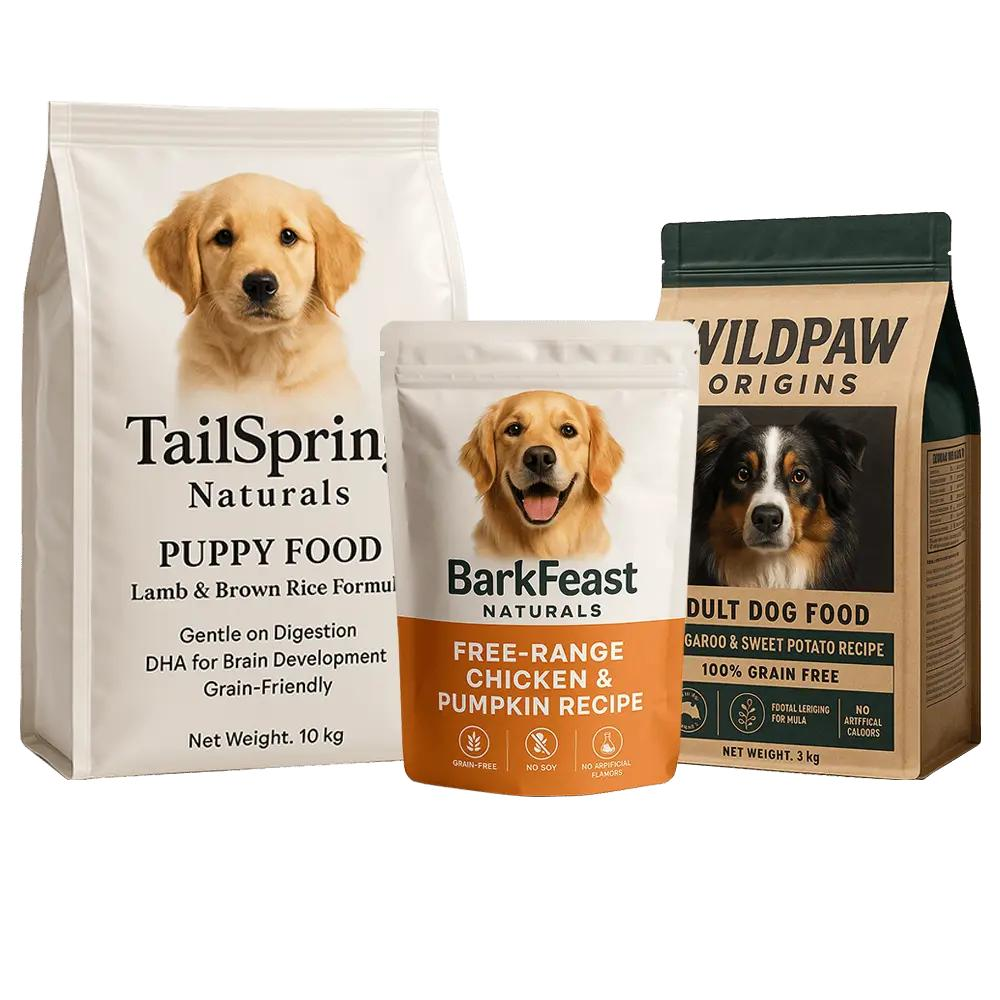
Pet food packaging requires both durability and premium branding.
Recommended structures:
PET / VMPET / PE
or
PET / AL / PE
Advantages:
Excellent barrier properties
Heavy-duty strength
Premium appearance
Long shelf life
Modern pet food brands increasingly use flat-bottom bags for stronger shelf presence.
Common Packaging Material Mistakes
Many buyers choose packaging materials based solely on price.
This often results in:
Choosing insufficient barrier protection
Products lose freshness before reaching consumers.
Using overly complex structures
Higher costs without additional benefits.
Ignoring machine compatibility
Packaging may run poorly on automatic filling equipment.
Not considering transportation conditions
Export shipments often require stronger packaging structures than domestic distribution.
Questions to Ask Before Ordering Custom Packaging
Before requesting a quotation, buyers should prepare:
✓ Product type
✓ Product weight
✓ Shelf-life requirements
✓ Packaging dimensions
✓ Filling method
✓ Storage conditions
✓ Annual purchase volume
Providing this information allows packaging manufacturers to recommend the most suitable material structure.
Final Thoughts
There is no single packaging material that works for every food product.
The ideal packaging solution depends on:
Product characteristics
Shelf-life goals
Distribution channels
Branding requirements
Sustainability objectives
Choosing the right material structure can improve product quality, reduce waste, and strengthen customer satisfaction.
For food brands, packaging should be viewed as an investment in product protection and long-term business success.