
15 Jun 2026
How to Reduce Food Packaging Costs Without Sacrificing Quality
For food manufacturers, packaging is more than just a protective layer—it is an essential part of product quality, branding, logistics, and customer experience. However, as material prices, transportation expenses, and labor costs continue to rise, controlling packaging costs has become a major concern for many businesses.
The good news is that reducing packaging costs does not mean sacrificing quality. In fact, many successful brands lower their packaging expenses by optimizing materials, improving packaging efficiency, and working with experienced packaging suppliers.
This guide explains practical strategies to help food brands reduce packaging costs while maintaining product protection and shelf appeal.
Why Food Packaging Costs Continue to Increase
Several factors contribute to rising packaging costs worldwide:
Higher resin and raw material prices
Increased transportation expenses
Rising labor costs
Energy price fluctuations
Supply chain disruptions
More complex packaging requirements
Many companies react by looking for cheaper packaging, but this often leads to quality issues and hidden costs.
Instead, businesses should focus on packaging optimization.
1. Choose the Right Material Structure
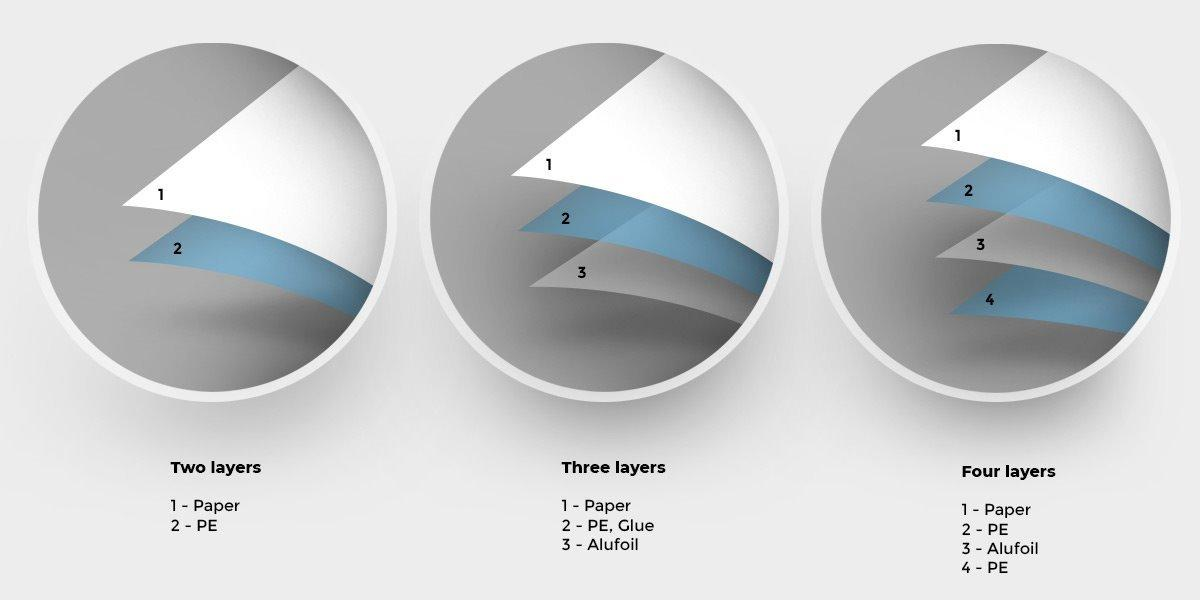
One of the biggest opportunities for cost reduction is selecting the appropriate material structure.
Many products are over-packaged with unnecessarily expensive materials.
For example:
PET/PE
Suitable for:
Flour
Sugar
Dry snacks
Bakery products
Advantages:
Economical
Excellent printability
Lightweight
PET/VMPET/PE
Suitable for:
Chips
Nuts
Pet treats
Dried fruits
Advantages:
Better barrier protection
Attractive metallic appearance
Cost-effective compared to aluminum foil
PET/AL/PE
Suitable for:
Coffee
Protein powder
Freeze-dried foods
Advantages:
Maximum barrier performance
Longer shelf life
Choosing the right structure rather than the most expensive structure can significantly reduce costs.
2. Increase Order Quantities Strategically
Packaging manufacturers can usually provide lower unit prices for larger production runs.
Benefits include:
Reduced setup costs
Better material utilization
Lower printing costs
Improved production efficiency
For example, the cost per bag for 100,000 pieces is often significantly lower than for 10,000 pieces.
Brands should evaluate annual demand and consider purchasing larger quantities when inventory space allows.
3. Standardize Packaging Sizes
Many brands use too many packaging dimensions.
While multiple sizes may seem beneficial, they often increase:
Production complexity
Inventory costs
Material waste
Storage requirements
Standardizing packaging sizes can streamline production and reduce overall expenses.
For example, instead of using six pouch sizes, many brands successfully operate with three standardized formats.
4. Evaluate Printing Requirements Carefully
Premium printing effects can improve shelf appeal, but they also increase production costs.
Examples include:
Spot UV
Metallic inks
Soft-touch coatings
Specialty varnishes
Before adding special effects, ask:
Does it improve sales?
Does it support premium positioning?
Will customers notice the difference?
Many successful food brands use clean and simple packaging designs that reduce printing costs while maintaining strong visual appeal.
5. Optimize Packaging Design
Packaging design directly affects production costs.
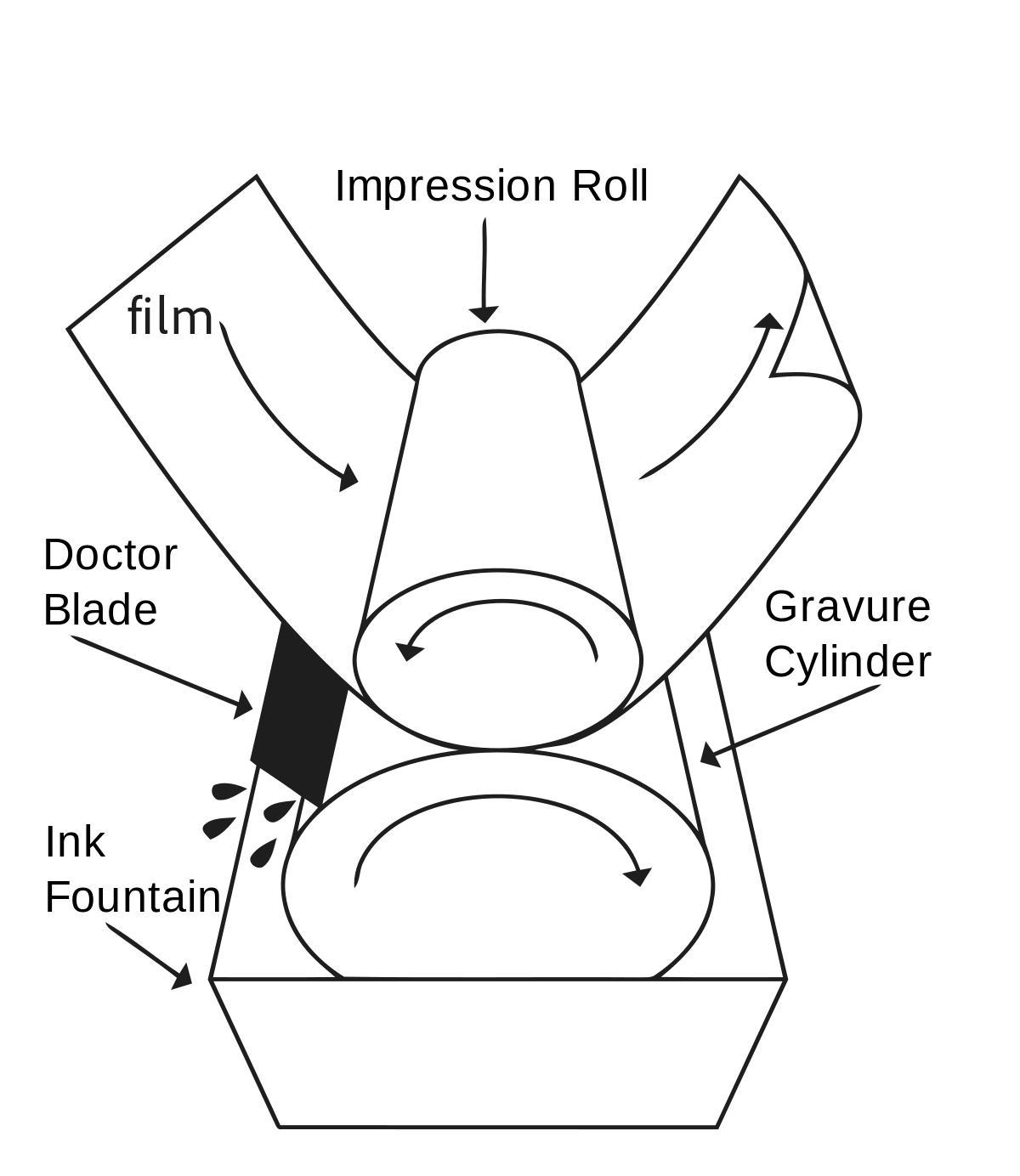
Complex artwork often requires:
More printing cylinders
More ink consumption
Longer setup times
Modern minimalist packaging designs often:
Reduce production costs
Improve brand perception
Create cleaner shelf presentation
Simple designs can be both economical and effective.
6. Reduce Excess Material Usage
Many food brands unknowingly use thicker materials than necessary.
Packaging engineers can often optimize:
Film thickness
Lamination structures
Material combinations
Even a small reduction in film thickness can generate substantial annual savings for high-volume packaging programs.
However, performance requirements should always be maintained.
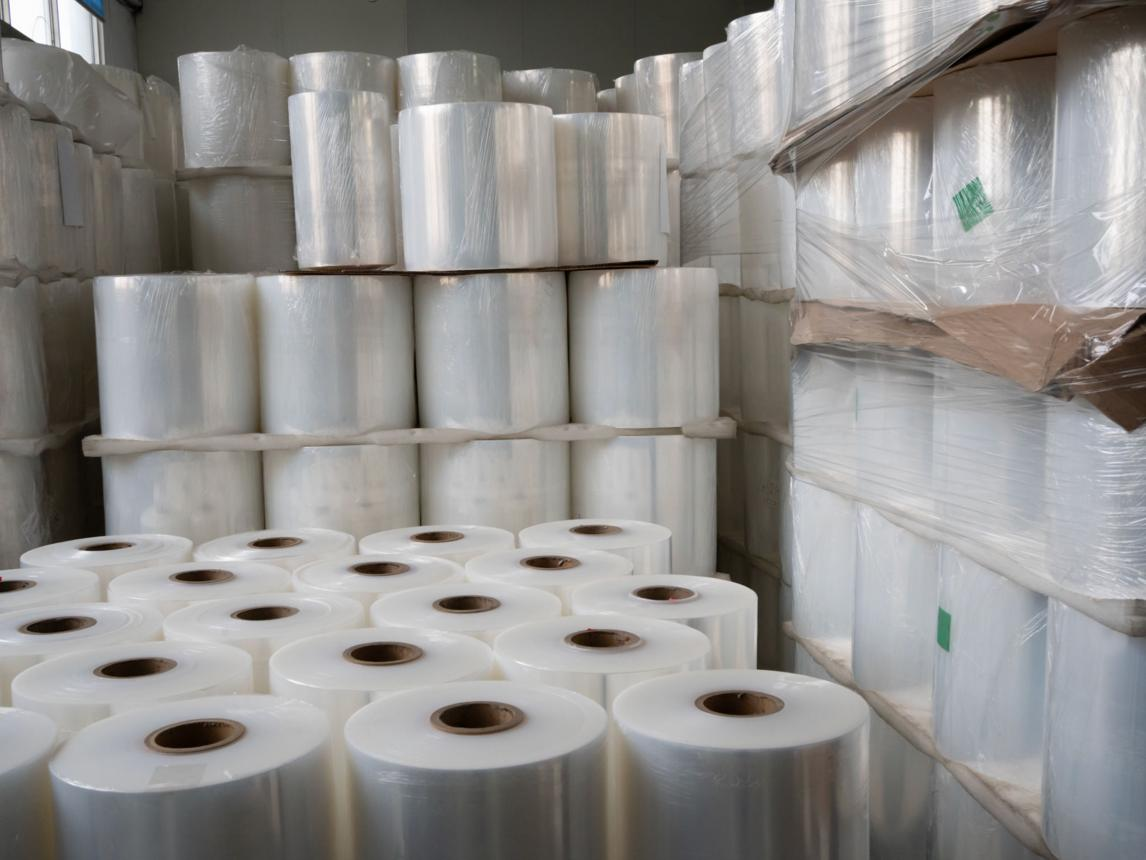
7. Consider Roll Stock Film Instead of Premade Pouches
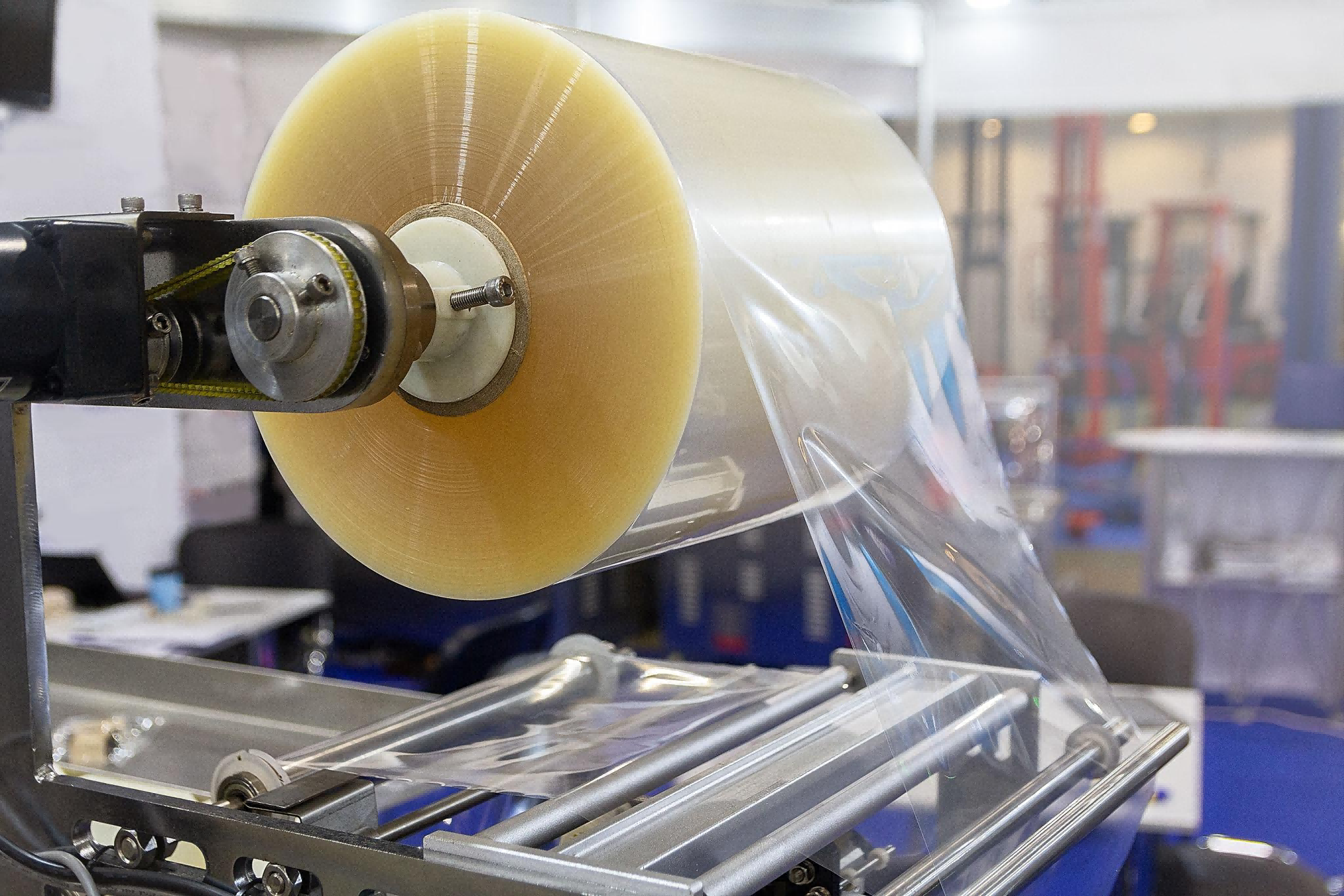
For manufacturers using automatic packaging machines, roll stock film may provide significant cost advantages.
Benefits include:
Lower material costs
Faster packaging speeds
Reduced storage space
Improved production efficiency
Many large-scale food manufacturers use roll stock film to reduce packaging expenses while increasing production capacity.
8. Work with an Experienced Packaging Supplier
The right packaging supplier can identify cost-saving opportunities that many buyers overlook.
An experienced supplier can help:
Optimize material structures
Reduce unnecessary specifications
Improve printing efficiency
Lower overall packaging costs
Long-term partnerships often provide greater value than constantly changing suppliers based solely on price.
Common Packaging Cost Reduction Mistakes
When trying to save money, avoid these common mistakes:
Choosing the Lowest Price
Cheap packaging often leads to quality problems and customer complaints.
Ignoring Product Requirements
Insufficient barrier protection can shorten shelf life.
Reducing Material Thickness Excessively
Over-optimization may result in package failures.
Selecting Inexperienced Suppliers
Poor quality control often increases long-term costs.
The Real Goal: Better Packaging Value
Successful brands do not focus solely on the cheapest packaging.
Instead, they focus on value:
Product protection
Shelf life
Consumer convenience
Brand image
Cost efficiency
The most effective packaging solution balances all five factors.
Final Thoughts
Reducing food packaging costs requires a strategic approach rather than simply choosing cheaper materials.
By optimizing material structures, standardizing packaging formats, improving production efficiency, and partnering with experienced packaging suppliers, food brands can significantly lower costs without sacrificing product quality.
The right packaging solution should protect products, strengthen branding, improve operational efficiency, and support long-term business growth.
About Wuhan Ipack Packaging
At Wuhan Ipack Packaging Co., Ltd., we help food brands reduce packaging costs through optimized material structures, efficient production processes, and custom flexible packaging solutions.
Our products include:
Custom Stand Up Pouches
Flat Bottom Bags
Spout Pouches
Vacuum Bags
Roll Stock Film
Recyclable Packaging Solutions
Contact us today for a free packaging consultation and quotation.