
29 Jun 2026
How High-Barrier Packaging Extends Food Shelf Life: A Complete Guide for Food Manufacturers
Introduction
Shelf life has become one of the biggest challenges for food manufacturers. Consumers expect products to stay fresh for longer while maintaining taste, texture, nutritional value, and safety.
However, exposure to oxygen, moisture, light, and contaminants can significantly reduce product quality and shorten shelf life.
This is where high-barrier packaging plays a critical role.
Modern high-barrier flexible packaging is designed to protect food products from environmental factors that cause spoilage. By selecting the right material structure, food manufacturers can significantly extend shelf life, reduce food waste, and improve customer satisfaction.
What Is High-Barrier Packaging?
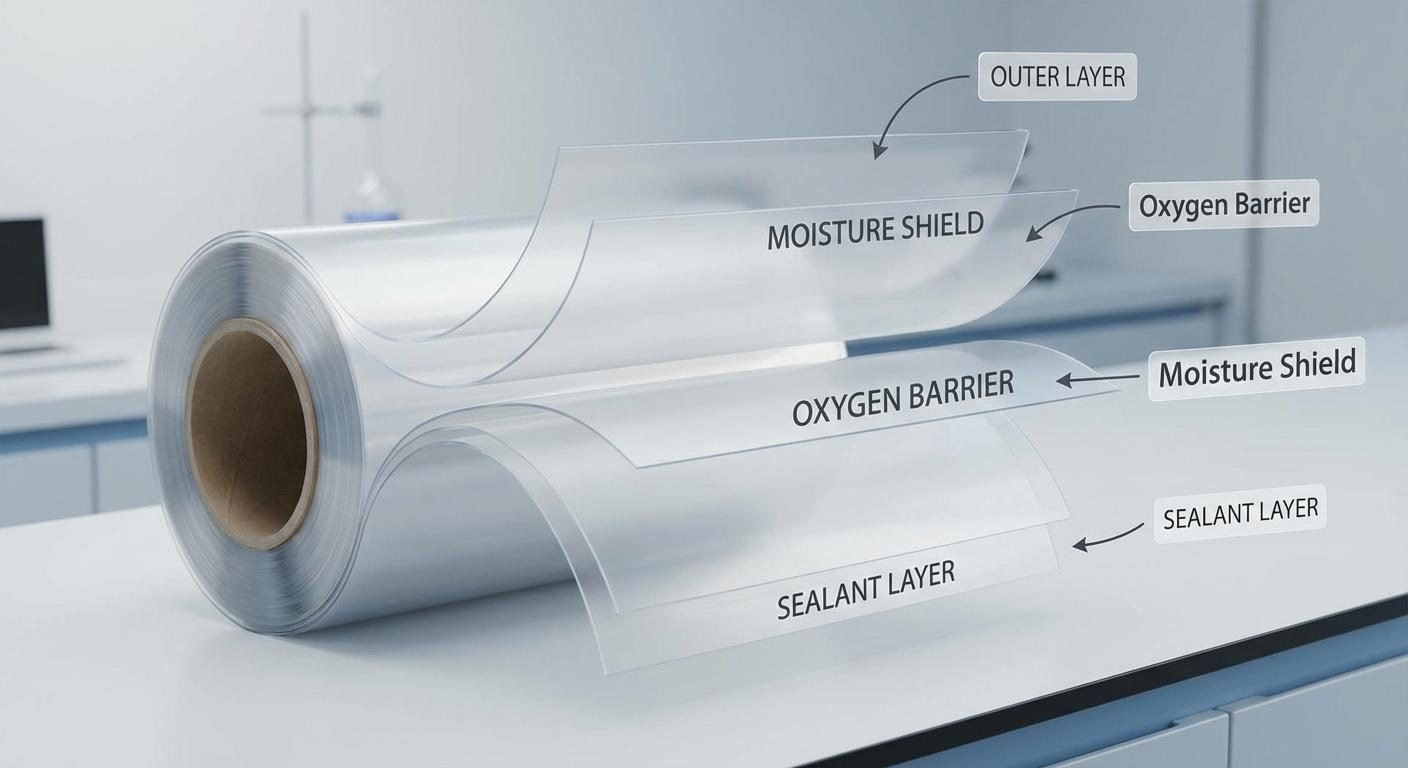
High-barrier packaging refers to packaging materials specifically engineered to prevent the transmission of:
Oxygen
Moisture
Light
Odors
Contaminants
Compared with standard packaging materials, high-barrier structures provide superior protection and help maintain product quality throughout storage and transportation.
Why Does Food Spoilage Occur?
Several environmental factors can cause food to deteriorate.
Oxygen
Oxygen can cause:
Oxidation of fats and oils
Loss of flavor
Discoloration
Nutrient degradation
Moisture
Excess moisture may result in:
Mold growth
Texture changes
Product clumping
Light
Exposure to light can accelerate oxidation and damage sensitive ingredients.
Microorganisms
Bacteria and mold can grow when products are not adequately protected.
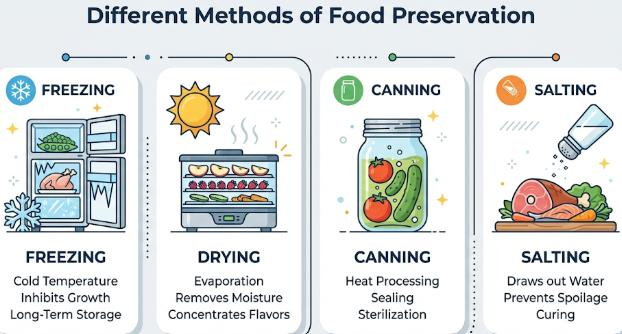
How High-Barrier Packaging Extends Shelf Life
High-barrier packaging creates a protective environment around the product.
Benefits include:
✓ Slower oxidation
✓ Better moisture control
✓ Improved flavor retention
✓ Longer shelf life
✓ Reduced food waste
✓ Better product appearance
Many food products can achieve significantly longer shelf life simply by upgrading their packaging structures.
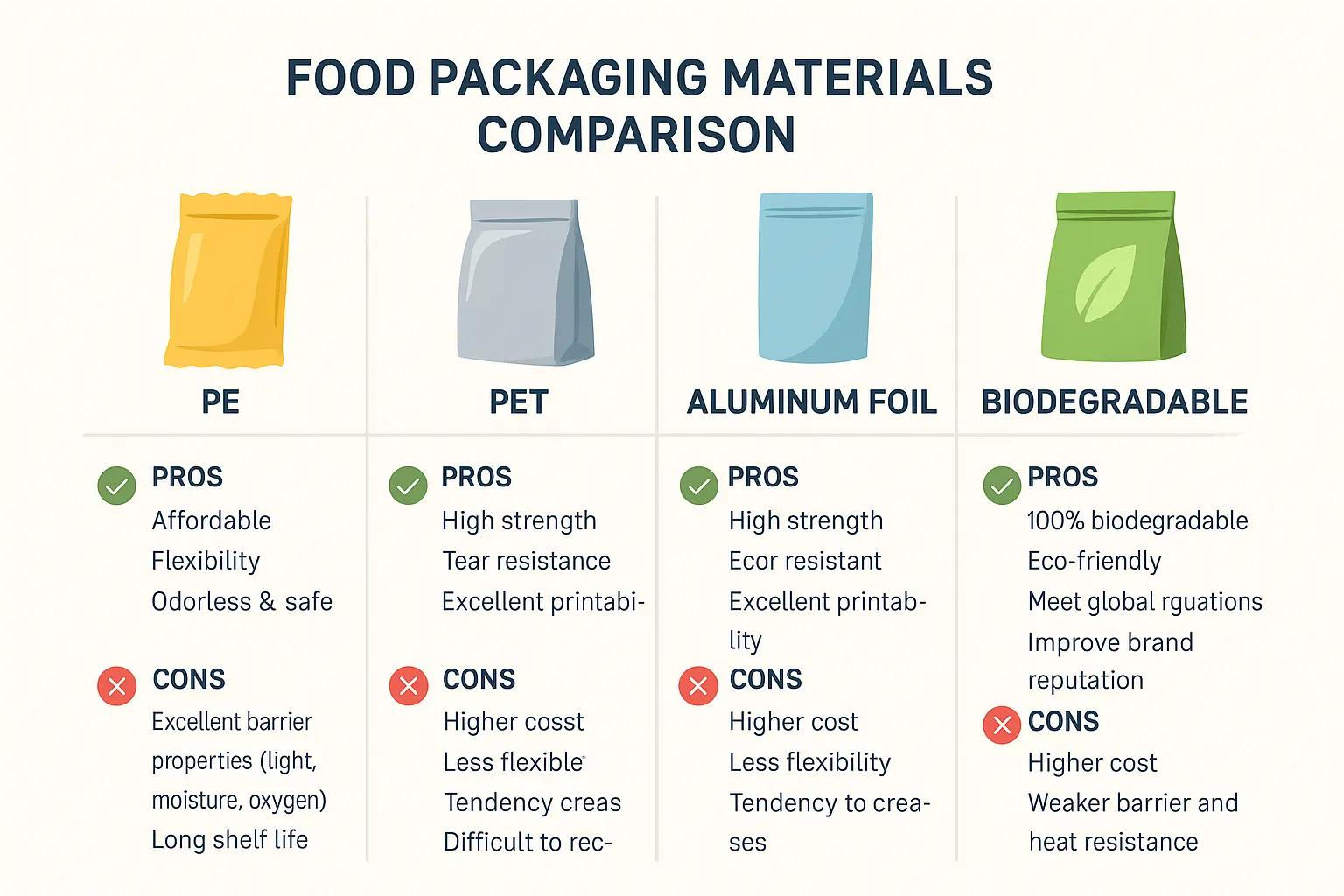
Common High-Barrier Packaging Materials
PET (Polyethylene Terephthalate)
Advantages:
Excellent printability
Good mechanical strength
Good oxygen barrier
Applications:
Snacks
Coffee
Dry foods
VMPET (Metalized PET)
Advantages:
Excellent moisture barrier
Improved oxygen resistance
Cost-effective alternative to aluminum foil
Applications:
Chips
Nuts
Pet treats
Aluminum Foil (AL)
Advantages:
Outstanding oxygen barrier
Excellent moisture protection
Maximum light protection
Applications:
Coffee
Freeze-dried food
Premium products
Nylon (NY)
Advantages:
Excellent puncture resistance
Good gas barrier
Superior durability
Applications:
Vacuum packaging
Frozen food
Seafood packaging
Recommended High-Barrier Structures for Different Foods
| Product | Recommended Structure |
|---|---|
| Potato Chips | PET/VMPET/PE |
| Coffee Beans | PET/AL/PE |
| Freeze-Dried Fruit | PET/AL/PE |
| Pet Food | PET/VMPET/PE |
| Frozen Seafood | PET/NY/PE |
| Powder Products | PET/AL/PE |
Choosing the right structure depends on product characteristics and desired shelf life.
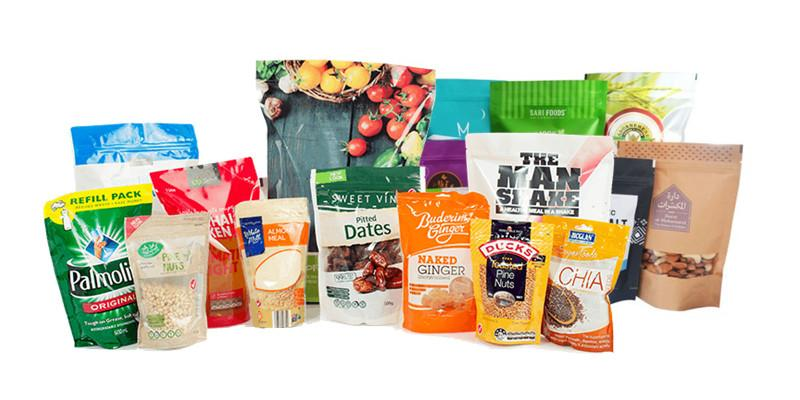
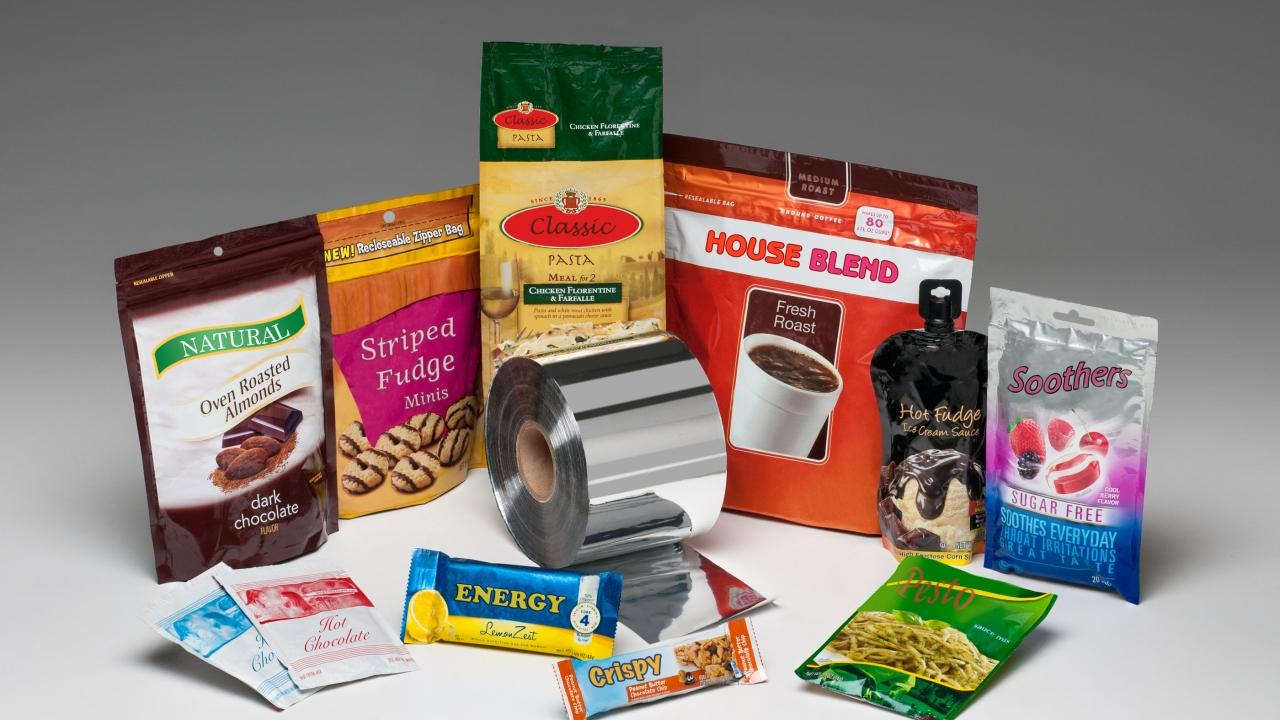
Which Industries Benefit Most from High-Barrier Packaging?
High-barrier packaging is widely used in:
Coffee Industry
Protects aroma and prevents oxidation.
Snack Industry
Maintains crispness and flavor.
Pet Food Industry
Preserves nutrients and freshness.
Frozen Food Industry
Provides moisture resistance and durability.
Nutritional Products
Protects sensitive ingredients and extends shelf life.
Common Mistakes When Choosing High-Barrier Packaging
Over-Packaging
Using expensive materials that exceed actual requirements.
Under-Protecting the Product
Choosing low-barrier materials that cannot provide adequate shelf life.
Ignoring Transportation Conditions
Products may require additional protection during export.
Focusing Only on Cost
The cheapest packaging solution is not always the most economical in the long term.
Sustainable High-Barrier Packaging Trends
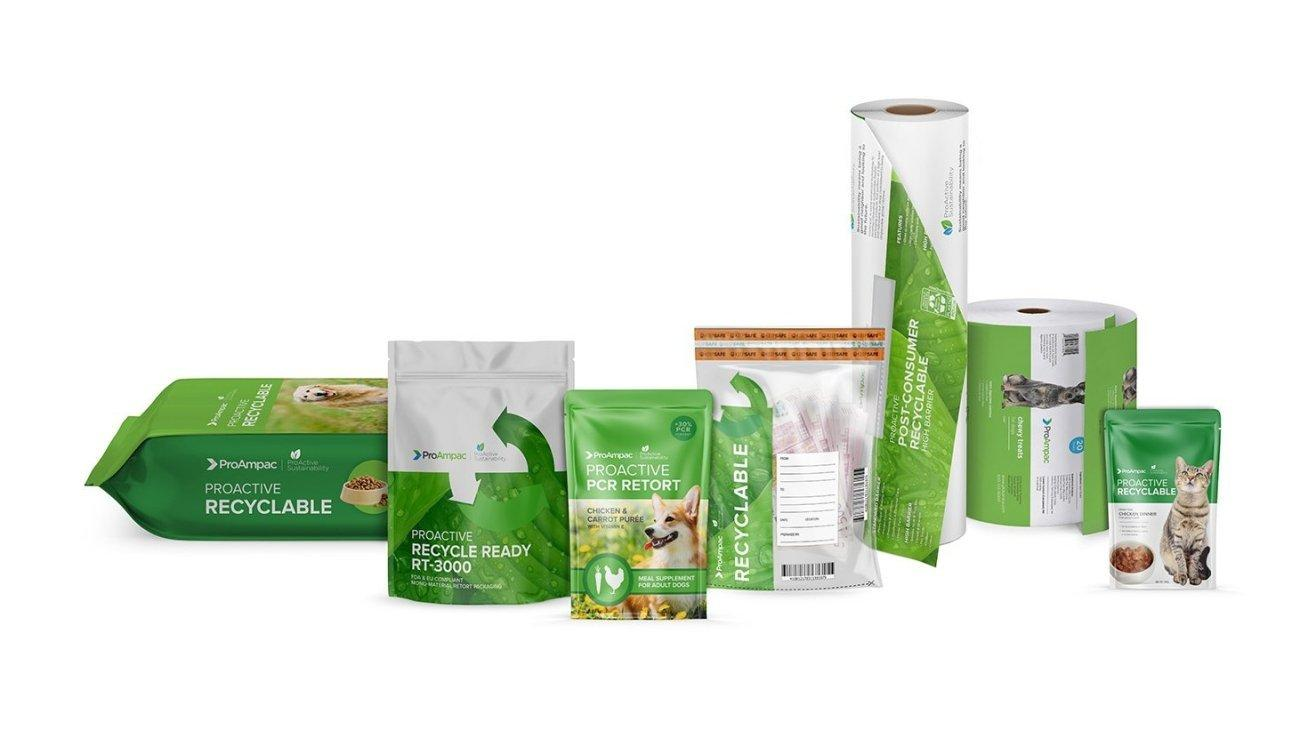
The packaging industry is increasingly developing:
Recyclable high-barrier materials
Mono-material structures
Reduced material consumption
Environmentally friendly laminates
Food brands are seeking solutions that balance sustainability with performance.
Final Thoughts
High-barrier packaging is one of the most effective ways to extend food shelf life, protect product quality, and reduce waste.
By selecting the appropriate material structure, food manufacturers can significantly improve product performance while strengthening brand reputation and customer satisfaction.
Whether you produce snacks, coffee, pet food, frozen foods, or nutritional products, choosing the right high-barrier packaging solution can make a significant difference in the success of your products.
About Wuhan Ipack Packaging
At Wuhan Ipack Packaging Co., Ltd., we specialize in custom high-barrier packaging solutions, including:
Stand Up Pouches
Flat Bottom Bags
Vacuum Packaging Bags
Roll Stock Film
Recyclable Packaging Solutions
Custom Printed Flexible Packaging
Our team works closely with food manufacturers worldwide to develop packaging structures that maximize shelf life while meeting branding and sustainability goals.
Contact us today to discuss your custom packaging project.