
11 Dec 2025
Best Flexible Film Printing Solutions for High-Speed Packaging Lines
I. What Are Flexible Packaging Films?
1. Definition of Flexible Packaging Films
Flexible packaging films are thin, adaptable materials used to create packaging that can bend, fold, or wrap around products. These films are commonly used in food, pet food, pharmaceuticals, cosmetics, and industrial goods. They offer excellent protection against moisture, oxygen, and contaminants while supporting high-quality printing for branding and product information. Flexible films are designed for both manual and high-speed automated packaging lines.
2. Types of Flexible Films
Eg:
Polyethylene (PE)
Widely used for its strength, sealability, and versatility. Ideal for pouches, bags, and laminations.Biaxially Oriented Polypropylene (BOPP)
Known for clarity, stiffness, and excellent printability. Common in snack packaging, labels, and high-barrier laminates.Polyvinyl Chloride (PVC)
Offers good clarity and durability. Often used in shrink films, sleeves, and blister packaging.Nylon (PA)
Provides exceptional puncture resistance and barrier performance. Suitable for vacuum packaging, retort pouches, and heavy-duty applications.PET (Polyester Film)
Highly stable with great heat resistance and print quality. Widely used in laminations for coffee bags, stand-up pouches, and liquid packaging.
3. Key Benefits of Flexible Packaging
Durability
Resistant to tearing, moisture, and chemical exposure, ensuring product safety.Lightweight
Reduces shipping costs and environmental footprint.Space-Saving Design
Flexible films take up less space in storage and on shelves compared to rigid packaging.Customizability
Supports multiple printing technologies (rotogravure, digital, flexo), custom sizes, resealable features, and multi-layer structures for enhanced performance.
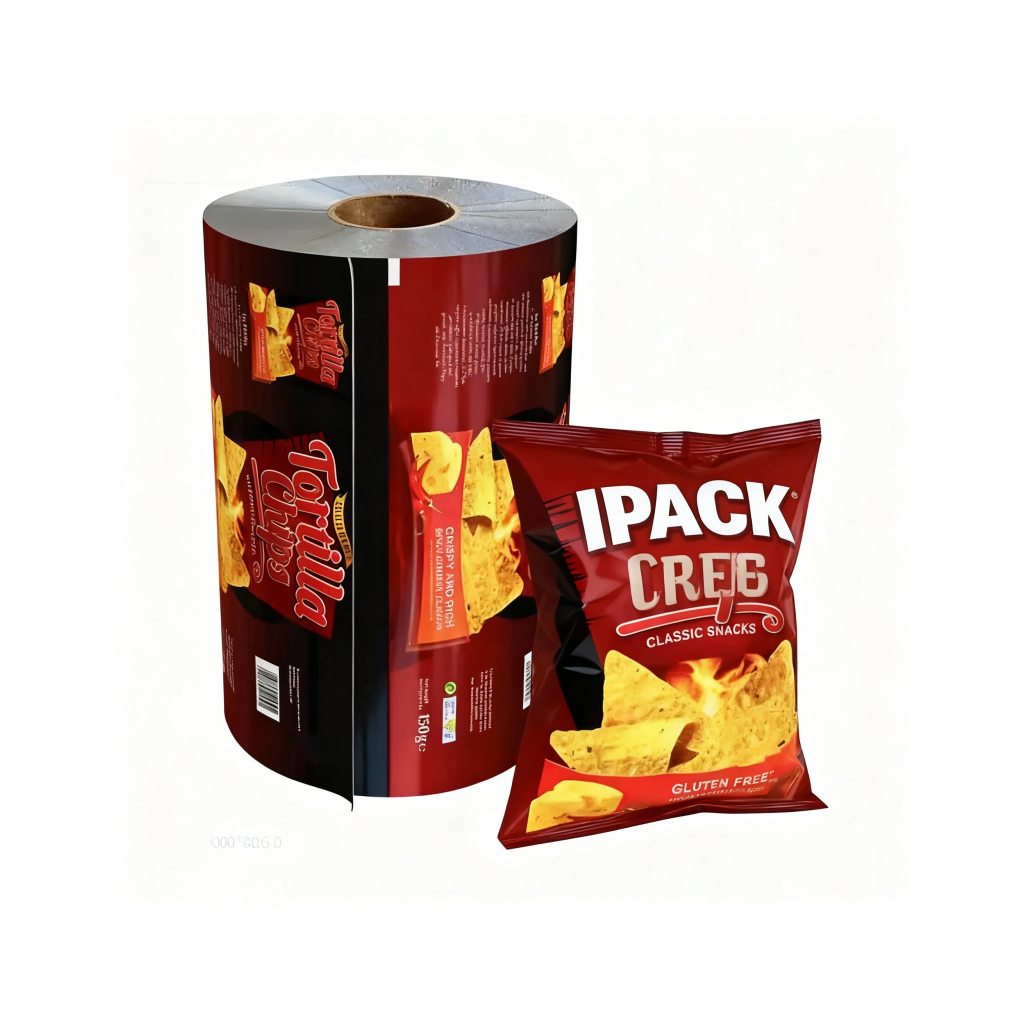
II. The Role of Printing in Flexible Film Packaging
1. Importance of Custom Printing for Brand Identity and Shelf Appeal
Custom printing on flexible packaging films is a crucial element in establishing a brand’s identity. With vibrant graphics, logos, and product details, printed films capture consumer attention and convey the unique qualities of a product. This branding opportunity extends beyond just the product itself—it also includes packaging design, which plays a major role in creating a memorable consumer experience.
A well-designed, eye-catching printed film elevates the product’s presence on the shelf, influencing purchasing decisions. Custom printing allows brands to express their personality, whether that’s through bold colors, environmentally friendly designs, or innovative features like window patches or embossed textures. The more visually appealing and aligned with a brand’s core message the packaging is, the more it will stand out in a crowded marketplace.
2. How Flexible Film Printing Enhances Product Visibility and Marketability
Flexible film printing offers unparalleled flexibility in terms of design and functionality. It allows for high-quality, high-resolution graphics, which helps products stand out in a retail environment. The ability to use multiple colors, special effects like matte or gloss finishes, and even holographic foils enhances the visual impact.
Additionally, printed flexible films can include critical product information, such as nutritional facts, usage instructions, and expiration dates, ensuring transparency and building consumer trust. The more informative and visually engaging the packaging is, the better it resonates with target consumers, leading to increased product visibility and marketability.
3. Custom Printed Rollstock as an Effective Solution for High-Speed Packaging Lines
Custom printed rollstock is an ideal solution for companies operating high-speed packaging lines. The rollstock format allows for the quick and efficient wrapping or forming of packaging materials without the need for additional setup or time-consuming adjustments. By integrating custom printing directly onto the rollstock, manufacturers can achieve high-volume production while still maintaining top-quality print output.
This flexibility enables companies to streamline their packaging process, increase operational efficiency, and reduce costs. Whether it's for snack foods, pet products, or pharmaceuticals, custom printed rollstock provides the perfect balance between flexibility, branding, and speed, making it a popular choice for businesses seeking reliable, cost-effective packaging solutions.
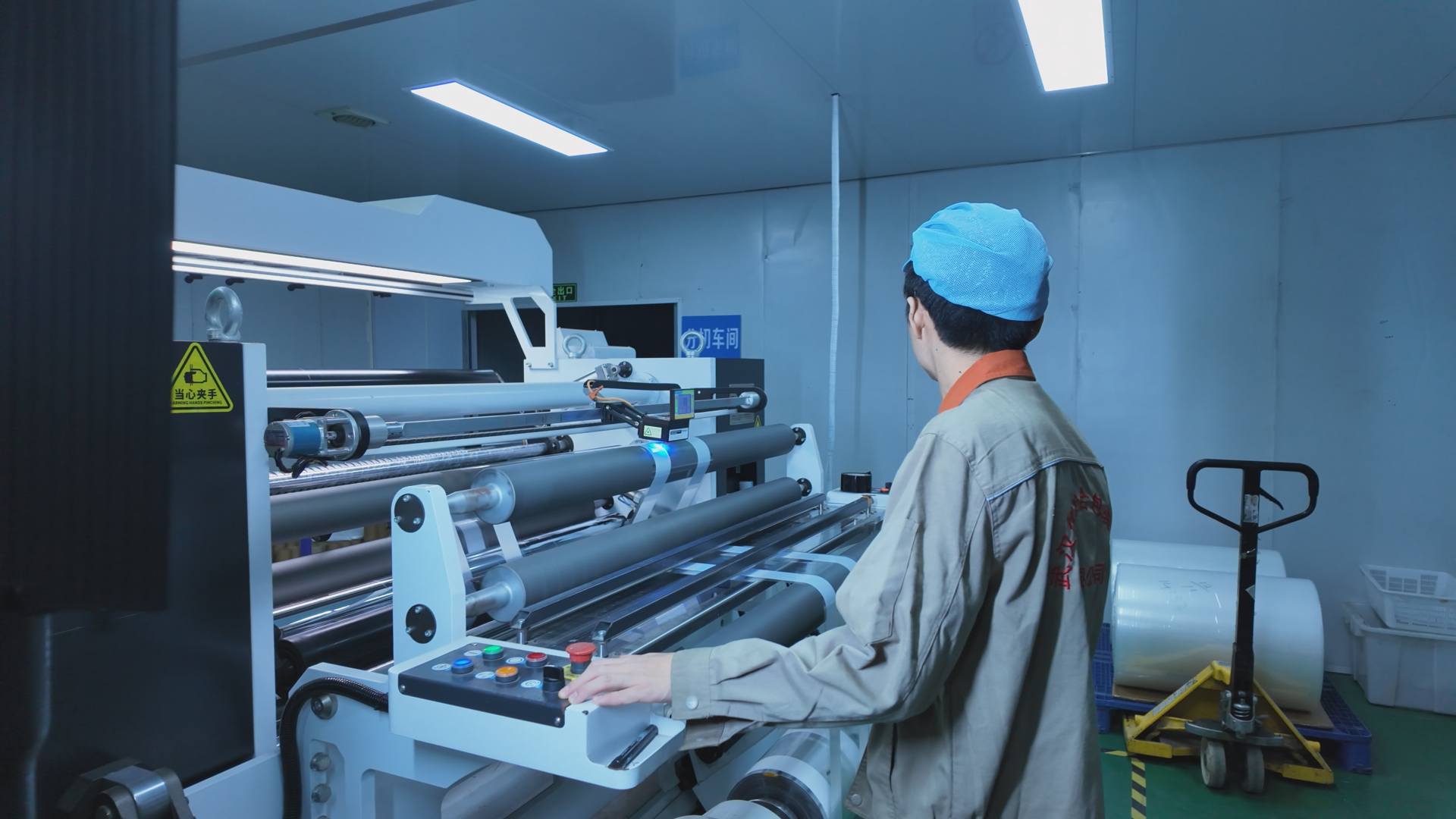 III. Key Challenges in High-Speed Packaging Lines
High-speed packaging lines are designed to meet the demands of high-volume production, but they bring with them a unique set of challenges. These challenges can affect print quality, efficiency, and overall costs. Below are the key issues faced in high-speed flexible film printing and the role of advanced technologies in overcoming them.
1. Consistency in Print Quality
As packaging lines run at high speeds, maintaining consistent print quality becomes a significant challenge. At faster speeds, even minor fluctuations in printing conditions (such as ink viscosity, pressure, or temperature) can lead to print defects such as color inconsistency, ink bleeding, or misalignment.
Problem: Inconsistent print quality can result in poor brand representation, leading to a negative customer perception. Small imperfections, such as uneven colors or misregistered graphics, can significantly impact a brand's identity.
Solution: Advanced technologies such as automated inspection systems, closed-loop color control, and real-time monitoring can help ensure print consistency across large production runs. These systems automatically adjust settings to compensate for fluctuations, maintaining high-quality standards.
2. Speed and Accuracy
The speed of packaging lines often pushes the limits of printing accuracy. Achieving precise color registration and uniform ink coverage at high speeds can be a challenge, especially when the production volume increases.
Problem: At high speeds, misalignment between different ink colors (registration issues) can occur, causing blurry or offset images. In addition, rapid production can result in uneven ink distribution, leading to areas with too much or too little ink.
Solution: High-speed printing technologies, such as flexographic printing with advanced registration systems or digital printing, can help ensure that speed does not come at the cost of accuracy. These systems automatically adjust the alignment and ink flow, ensuring precision even in high-speed conditions.
3. Managing Material Waste
The rapid pace of high-speed printing can lead to increased material waste. Misprints, excess ink, and defective rolls of film contribute to waste, increasing production costs and negatively impacting sustainability efforts.
Problem: Material waste, whether due to errors or inefficiencies in the printing process, can lead to higher operational costs. Additionally, with growing demand for eco-friendly packaging solutions, brands are under pressure to minimize waste.
Solution: Advanced waste-reduction technologies, such as ink recycling systems, improved ink formulations, and more efficient printing techniques, help reduce waste. Moreover, using precise digital controls to minimize excess ink usage can significantly lower waste and reduce costs.
4. Ensuring Quality While Maintaining High Throughput
One of the most difficult balancing acts in high-speed packaging lines is ensuring consistent product quality without sacrificing throughput. Speeding up production should not compromise the packaging’s integrity or appearance.
Problem: The faster the line runs, the greater the risk of overlooking quality control, leading to defects like wrinkles, poorly sealed packages, or inconsistent prints. Maintaining the highest quality while meeting tight deadlines and high-volume demands can be a struggle.
Solution: Combining high-speed lines with real-time quality assurance and monitoring tools helps detect and correct defects before they reach the final product. Additionally, using hybrid printing technologies that integrate the benefits of both digital and traditional printing methods can provide the flexibility to meet both quality and speed requirements.
5. The Need for Advanced Printing Technology to Overcome These Challenges
To address these challenges effectively, packaging companies are increasingly turning to advanced printing technologies that offer flexibility, precision, and speed without compromising quality.
Solution:
Digital Printing: This allows for faster changeovers and more precise control over print quality. It also reduces setup time and material waste, making it ideal for high-speed packaging lines.
Hybrid Printing: Combining digital and traditional printing techniques, hybrid systems provide the flexibility to adjust to different production needs while maintaining high-quality results.
Automated Systems: Real-time monitoring and closed-loop feedback systems can automatically adjust parameters like ink flow and pressure to maintain print quality at high speeds.
Advanced Registration Systems: These systems use sensors and algorithms to correct registration issues, ensuring accurate color alignment even during fast-paced production.
By investing in cutting-edge printing technology, companies can ensure that their high-speed packaging lines remain efficient, cost-effective, and capable of delivering high-quality, visually appealing packaging.
IV. Best Printing Solutions for Flexible Films in High-Speed Packaging
Flexible packaging films are printed using various techniques, each with its own set of benefits. The choice of printing solution depends on factors like production volume, required print quality, cost-efficiency, and sustainability goals. Below are some of the top printing solutions for flexible films used in high-speed packaging lines:
1. Digital Printing
Advantages:
The Growing Trend for Short-Run Flexible Packaging: Digital printing is ideal for small to medium-sized runs and allows for easy customization. This is perfect for brands that need to print limited quantities or test new packaging designs.
Custom Printed Rolling Films for Personalized Packaging: Digital printing makes it easy to create highly personalized packaging for limited editions, seasonal offers, or marketing campaigns.
Eco-Friendly Packaging and Sustainability: Digital printing produces minimal waste and uses less ink, making it more environmentally friendly. It also eliminates the need for printing plates, reducing setup time and costs.
Best For:
Short-Run and Custom Packaging: Digital printing is well-suited for brands looking to create custom printed flexible packaging or test new designs before committing to larger print runs.
Eco-Conscious Brands: Ideal for companies looking to minimize their environmental impact with sustainable production practices.
As digital printing continues to improve, it’s becoming a popular choice for companies seeking more flexibility, speed, and eco-friendly solutions in their packaging.
2. Rotogravure Printing
Advantages:
Superior Quality for Multicolor Prints: Rotogravure printing offers excellent reproduction of fine details and vibrant colors, making it perfect for high-end packaging.
Large-Scale Production: Ideal for long runs due to its ability to print with consistent quality over thousands of meters of film.
Best For:
High-Barrier Packaging Films: Rotogravure is commonly used in the production of high-barrier films for products such as snacks, pet food, and liquids that require protection from moisture, oxygen, or light.
Large-Scale Production of Flexible Packaging: Often seen in industries where premium packaging is required, such as in beverage or luxury food packaging.
Rotogravure provides unmatched quality and consistency for large-volume production, making it a top choice for manufacturers seeking superior print quality over long runs.
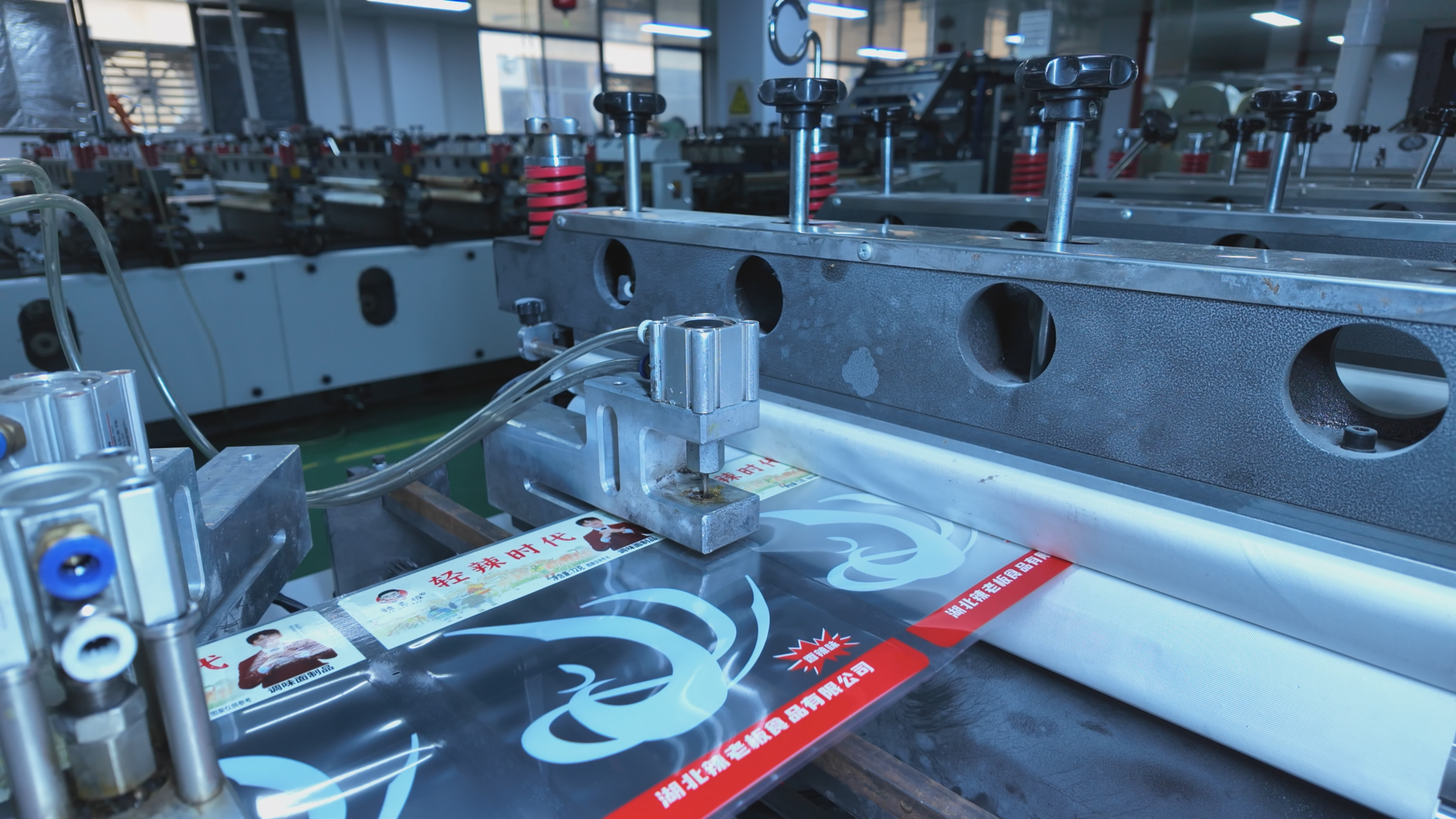
V. Key Features of High-Speed Flexible Film Printing Solutions
High-speed flexible film printing solutions are designed to meet the ever-increasing demands for faster production, superior print quality, and cost-effectiveness. Key features of these systems contribute to their ability to maintain high throughput while ensuring precision and minimal downtime.
1. High-Speed Printing Technology
Importance of High-Resolution Print Heads for Fast, High-Quality Prints
In high-speed flexible film printing, achieving high-quality prints at rapid speeds requires the use of high-resolution print heads. These advanced print heads allow for detailed and sharp graphics, essential for branding and consumer appeal.
Precision in Print Quality: The higher the resolution, the more detailed and accurate the printed images, which is critical for products that rely on intricate designs and precise color reproduction.
Fast Processing: High-resolution print heads are designed to work at high speeds without compromising print quality, ensuring that even at peak production rates, the prints remain sharp and vibrant.
By using advanced print heads, flexible film printing systems ensure that both speed and quality are optimized, making them ideal for high-volume packaging runs.
Use of Automatic Registration Systems for Precision
One of the most critical aspects of maintaining high print quality in flexible film packaging is precision. Automatic registration systems are essential for ensuring that each color layer lines up perfectly during printing.
Automatic Adjustments: These systems automatically adjust the alignment of the print during production to prevent registration errors, which can lead to misprints or quality degradation.
Minimized Errors: Automatic registration systems are especially beneficial in high-speed lines where manual adjustments would be too slow and prone to errors. These systems ensure that color consistency is maintained even at the highest speeds.
This technology significantly reduces the risk of defects in the packaging and increases the overall efficiency of the printing process.
2. Seamless Integration with Packaging Lines
Automation and Real-Time Monitoring for Reduced Downtime
High-speed flexible film printing solutions are often integrated with automated systems that monitor and adjust printing parameters in real-time.
Reduced Downtime: Automation allows for smoother operation, ensuring that the packaging line runs continuously with minimal stops for adjustments or repairs. Automated systems can detect issues like ink shortages, misalignment, or film defects early, preventing major disruptions.
Real-Time Adjustments: With real-time monitoring, these systems can automatically adjust parameters like speed, ink flow, and pressure, reducing the need for manual intervention and keeping production lines moving efficiently.
Automation ensures a more reliable, efficient process, reducing downtime and improving overall productivity on the packaging line.
Efficient Packaging Line Systems for Faster Setup and Material Changeovers
In high-speed packaging operations, the ability to switch between materials or setups quickly is critical for maintaining high throughput.
Quick Setup Times: Modern printing systems allow for faster setup times with minimal waste. Automatic adjustment features enable the system to quickly switch between print jobs or materials without significant delays.
Material Changeover Efficiency: Packaging lines equipped with automated material handling systems can quickly and seamlessly change films, rolls, or packaging materials, minimizing downtime and reducing labor costs.
By streamlining the changeover process, these systems reduce production delays and improve flexibility, ensuring that the line can quickly adapt to different products or packaging styles.
3. Energy Efficiency
The Role of Energy-Efficient Printing Technologies in Reducing Costs
Energy consumption is a significant factor in the overall operational cost of printing systems. High-speed printing technologies are increasingly focusing on energy efficiency to help reduce costs and improve sustainability.
Reduced Power Consumption: Newer printing systems, such as LED UV curing technology, consume less power than traditional UV curing systems, lowering energy usage per unit of production.
Lower Operating Costs: By reducing the overall energy consumption of the printing process, companies can lower their operational costs, which translates to a more cost-effective production process. This is especially important in industries that have high-volume production requirements and tight margins.
Energy-efficient systems not only help to reduce utility costs but also align with sustainability goals by decreasing the carbon footprint of the production process.
VI. Advantages of High-Speed Printing for Flexible Packaging Films
High-speed printing technology for flexible packaging offers numerous benefits for manufacturers, brands, and end consumers. These advantages extend across efficiency, cost-effectiveness, branding, and product differentiation, making high-speed printing a game-changer in the packaging industry.
1. Increased Efficiency and Reduced Lead Times
High-speed printing significantly boosts the efficiency of packaging production. With advanced printing systems capable of running at faster speeds without compromising quality, manufacturers can meet tight deadlines and high-volume demands with ease.
Faster Turnaround Times: High-speed printing systems reduce the time required to produce large quantities of printed films, helping businesses fulfill orders more quickly and meet customer demands faster.
Continuous Production: Automation and seamless integration with packaging lines ensure that production flows smoothly, with minimal downtime. This allows for higher throughput and greater overall efficiency, especially in large-scale manufacturing operations.
By reducing lead times, companies can react more quickly to market trends and reduce inventory holding costs.
2. Cost Savings through Reduced Waste and Faster Production Cycles
One of the most significant advantages of high-speed printing is its ability to minimize waste and lower production costs. The combination of speed and precision leads to more efficient use of materials and ink.
Reduced Material Waste: With automated registration systems and advanced ink management technologies, high-speed printing systems minimize over-usage of materials, ensuring that every inch of film is used effectively. This reduction in waste translates directly into cost savings.
Faster Production Cycles: High-speed printing allows for quicker setup times and faster production cycles, reducing labor costs and energy consumption. These efficiencies lower the overall cost per unit, making high-quality printed packaging more affordable.
The combination of speed, precision, and waste reduction leads to significant savings, especially in high-volume production runs.
3. Enhanced Product Branding through Vibrant, High-Quality Prints
In today’s competitive marketplace, effective product branding is key to standing out on the shelf. High-speed printing enables companies to create eye-catching packaging that grabs consumers' attention with vibrant colors, intricate designs, and sharp details.
High-Quality Graphics: With advancements in printing technology, high-speed printing systems can produce vibrant, high-resolution prints that faithfully reproduce logos, designs, and text. This enhances the visual appeal of the packaging, reinforcing brand identity and attracting consumers.
Customization Opportunities: High-speed printing also enables greater flexibility in creating custom packaging, which is increasingly important for brands looking to target niche markets, seasonal promotions, or special product lines. This level of customization helps businesses build stronger connections with consumers.
Brands that leverage high-quality printing can create a more compelling product experience that resonates with consumers, leading to increased brand loyalty and sales.
4. Better Shelf Appeal and Market Differentiation
In the crowded world of retail, packaging plays a crucial role in setting products apart from the competition. High-speed printing helps brands enhance their shelf appeal and market differentiation by providing packaging that is not only visually striking but also functional.
Shelf Impact: The use of vibrant colors, dynamic designs, and high-quality finishes makes products stand out on store shelves. Packaging that is visually engaging can capture the attention of consumers more effectively, prompting impulse purchases and improving the likelihood of a product being selected.
Market Differentiation: High-speed printing also allows for innovative packaging features such as custom shapes, matte/gloss finishes, or textured prints that set a product apart from competitors. By offering something unique on the shelf, brands can better position themselves in the market and differentiate their products.
This competitive edge is crucial for brands in crowded markets where differentiation is key to attracting consumers and gaining market share.
VII. Choosing the Right Printing Solution for Your Packaging Needs
Selecting the appropriate printing method for flexible packaging is critical to meeting both your quality and operational requirements. The right printing solution can improve your packaging’s visual appeal, efficiency, and cost-effectiveness. Here are the key factors to consider when choosing the right printing method for your flexible packaging needs:
1. Print Quality and Color Consistency
Factors to Consider:
Quality Requirements: If your packaging needs highly detailed, vibrant, or photographic-quality prints, you should prioritize printing methods that offer high resolution, such as rotogravure or flexographic printing. Digital printing is ideal for short runs with custom designs, providing flexibility but sometimes at the cost of color consistency.
Color Accuracy and Consistency: For multi-color prints, maintaining consistent color throughout the production run is essential. Flexographic printing is well-suited for this, but rotogravure provides superior quality for larger runs of multicolor designs. UV printing can also deliver excellent color accuracy and sharpness, especially for special finishes or coatings.
Decision Criteria:
Choose rotogravure or flexo printing for premium, high-quality, consistent color prints in large volumes.
Opt for digital printing for small runs or custom designs with quick turnarounds.
2. Production Volume and Lead Time
Factors to Consider:
Large Production Runs: For high-volume production, methods like flexographic and rotogravure printing excel due to their ability to produce large quantities quickly while maintaining consistent quality.
Small to Medium Production Runs: Digital printing is ideal for smaller, custom orders or products with frequent design changes. It allows for quick setups and fast lead times but may not be as cost-effective for large quantities due to its per-unit cost.
Lead Time Expectations: If you need quick turnaround times, digital printing is the fastest, while flexographic printing offers a good balance of speed and quality for mid to high-volume orders.
Decision Criteria:
High-volume: Choose flexo or rotogravure.
Short runs or fast turnaround: Opt for digital printing.
3. Material Compatibility (e.g., BOPP film, Polyethylene Films, etc.)
Factors to Consider:
Material Type: Different printing methods are suited for different materials. For instance:
Polyethylene (PE) films work well with flexographic printing due to its ability to handle various inks and flexible materials.
BOPP (Biaxially Oriented Polypropylene) films are often used with rotogravure or flexographic printing, providing durability and good printability.
Polyester (PET) or nylon films often require UV printing or rotogravure for high-quality, durable prints.
Special Coatings or Features: If your material has a specific coating (e.g., matte, gloss, or special finishes), ensure that the printing method is compatible with these features. UV printing can be used on non-porous or coated films to create special finishes, while digital printing can be ideal for films with variable data.
Decision Criteria:
Flexible films (PE, BOPP): Flexographic or rotogravure printing.
Special finishes (matte/gloss): Consider UV printing or digital printing for their versatility with coatings.
4. Cost and Environmental Impact (e.g., Eco-Friendly Printing Solutions)
Factors to Consider:
Budget Constraints: For larger production volumes, rotogravure and flexographic printing are often more cost-effective due to their lower per-unit cost when producing high quantities. However, for smaller orders or shorter runs, digital printing may offer more flexibility despite higher costs per unit.
Environmental Impact: With increasing consumer demand for sustainable packaging, eco-friendly printing solutions are becoming a top priority. Digital printing often uses less ink and generates less waste, making it a more sustainable choice for small runs. Water-based inks in flexographic printing and UV-curable inks in UV printing can also reduce environmental impact compared to traditional solvent-based inks.
Material Waste: High-speed printing methods that minimize material waste, such as digital printing (which requires no plates or setup for each job), are more environmentally friendly for smaller runs. For larger volumes, flexographic printing also offers low waste due to the high efficiency of automatic setup and ink management.
Decision Criteria:
Cost-Effective for High Volumes: Flexographic or rotogravure printing.
Eco-Friendly Options: Digital printing for low waste, water-based flexo inks or UV-curable inks for sustainability in larger runs.
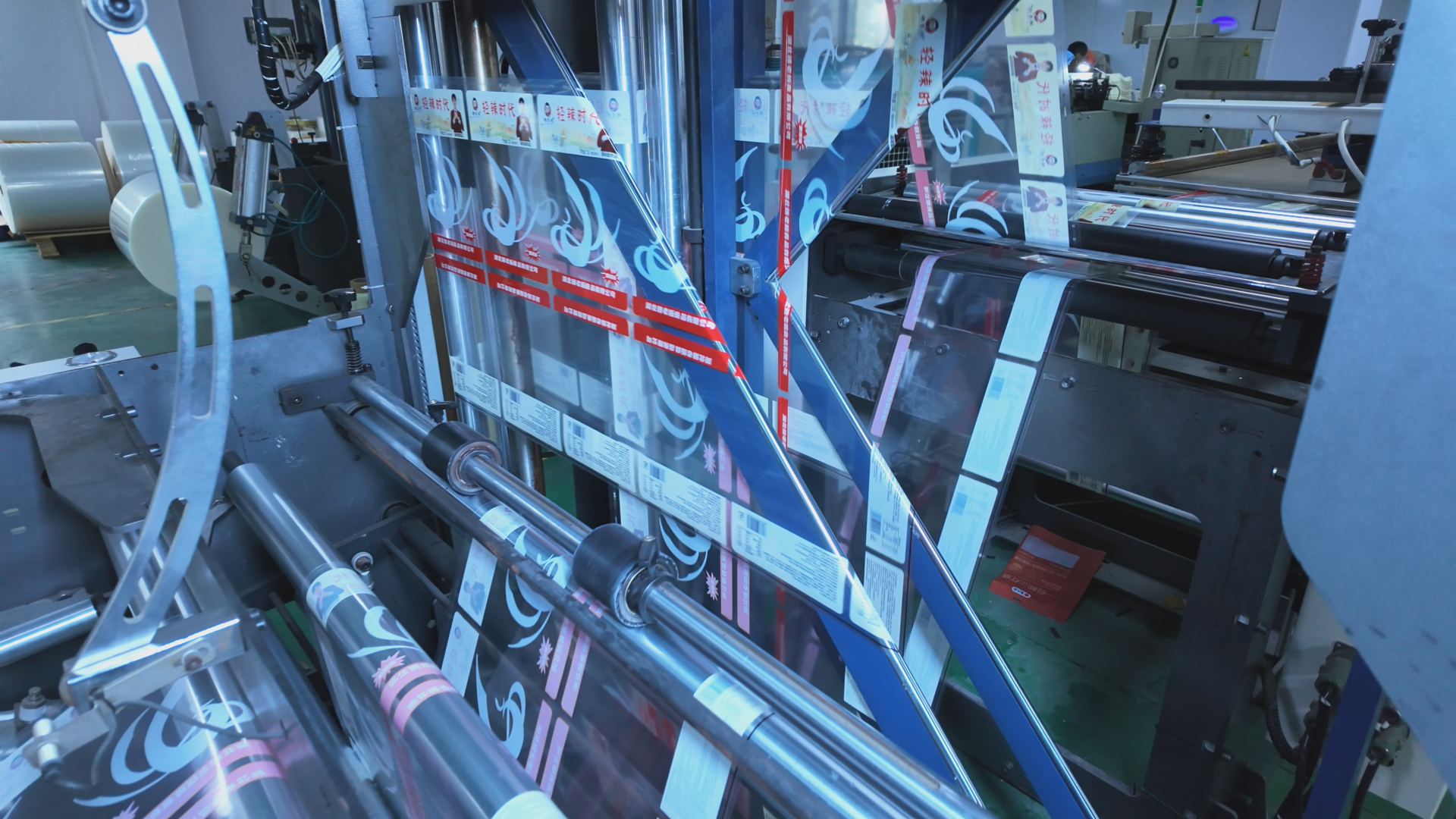
VIII. Future Trends in Flexible Film Printing
The packaging industry is rapidly evolving, and flexible film printing is at the forefront of this transformation. Advances in technology, sustainability, and customization are driving the future of flexible packaging. Below are the key trends and innovations that are shaping the future of flexible film printing:
1. Emerging Technologies in Sustainable Printing Solutions
Sustainability is becoming an increasingly important focus in flexible film printing. As consumer demand for eco-friendly packaging grows, manufacturers are adopting innovative technologies that reduce environmental impact.
Water-Based Inks and Solvents: Traditional printing methods, particularly rotogravure, often use solvent-based inks, which can be harmful to the environment. The industry is shifting towards water-based inks that are less toxic and have a lower environmental footprint.
Solvent-Free and UV-Curable Inks: UV printing technologies, using UV-curable inks, allow for more energy-efficient curing and less environmental impact compared to conventional inks. These inks can be used on a wider range of materials and offer faster curing times, reducing energy consumption.
Recyclable Films and Inks: Advances in developing recyclable flexible films and inks compatible with recycling processes are paving the way for more sustainable packaging solutions. The focus is on ensuring that packaging remains functional, high-quality, and easily recyclable.
These sustainable innovations aim to reduce waste, lower emissions, and improve the recyclability of flexible packaging, helping businesses meet the growing demand for eco-friendly products.
2. The Rise of Digital Printing for More Customized Packaging
Digital printing technology is revolutionizing flexible packaging by offering customization, flexibility, and speed. This trend is expected to accelerate as more brands seek personalized, short-run packaging options.
Short Runs and Customization: Digital printing allows for quick adjustments and high-quality prints on small runs, making it ideal for limited-edition products, seasonal packaging, or promotional items. It eliminates the need for printing plates, reducing setup time and costs.
Personalized Consumer Experiences: The ability to incorporate personalized designs, unique graphics, or even customer names directly on packaging is gaining popularity. This is particularly useful for direct-to-consumer brands and products targeting niche markets.
Quick Turnaround Times: The efficiency of digital printing makes it possible to fulfill orders faster and reduce lead times, which is crucial for fast-moving consumer goods (FMCG) brands looking to stay ahead of trends or respond to market shifts.
The rise of digital printing enables brands to explore new possibilities in customization, making packaging more dynamic and engaging for consumers.
3. Advances in Eco-Friendly Inks and Materials
As sustainability remains a key focus, innovations in eco-friendly inks and materials are driving the future of flexible film packaging.
Biodegradable and Compostable Materials: The development of biodegradable films made from renewable sources such as plant-based polymers is gaining traction. These materials offer a sustainable alternative to traditional plastics and reduce the environmental impact of packaging waste.
Low-VOC Inks: Inks that emit low or no volatile organic compounds (VOCs) are becoming increasingly popular in flexible film printing. These inks are safer for both workers and the environment, as they do not contribute to air pollution or harmful emissions.
Recycled Content in Packaging: Packaging made from recycled materials (e.g., rPET) is a growing trend, and the printing industry is adapting by developing inks and coatings that are compatible with these materials without compromising print quality.
These innovations in eco-friendly inks and sustainable materials are helping businesses meet regulatory requirements and consumer expectations while reducing their environmental footprint.
4. The Role of Smart Packaging and QR Codes in the Future of Flexible Films
Smart packaging is an exciting trend that incorporates technology into flexible films, allowing for interactive and connected experiences between products and consumers.
QR Codes and NFC (Near Field Communication): Integrating QR codes and NFC tags into packaging allows consumers to interact directly with the product’s packaging, providing access to product information, promotional offers, or even the ability to trace the product’s journey from source to shelf. This feature is especially popular in the food and beverage industry, where transparency and traceability are increasingly important.
Anti-Counterfeiting and Security Features: Flexible films are evolving to include security features like holograms, microprinting, and tamper-evident seals, which help prevent counterfeit products from entering the market. These features ensure the authenticity of high-end or pharmaceutical products.
Embedded Sensors: The future of packaging may also include embedded sensors that monitor factors like temperature, humidity, or freshness. These smart packaging solutions provide real-time data, which can help brands ensure product quality and extend shelf life.
Smart packaging technologies are pushing the boundaries of what flexible films can do, creating more interactive, secure, and informative packaging experiences for consumers.
conclusion
In conclusion, choosing the right flexible film printing solution for high-speed packaging lines is essential for achieving optimal efficiency, cost-effectiveness, and product quality. Whether it's flexographic, rotogravure, digital, or UV printing, each method offers unique advantages for different packaging needs. Custom printing is a powerful tool for enhancing branding and consumer engagement, allowing businesses to create distinctive, eye-catching packaging that resonates with consumers and strengthens brand identity. To stay competitive in an increasingly fast-paced market, businesses must embrace high-speed printing technologies that not only improve production efficiency but also offer greater flexibility, sustainability, and personalization. By adopting these advanced solutions, businesses can meet the evolving demands of the market and deliver exceptional packaging that sets them apart.