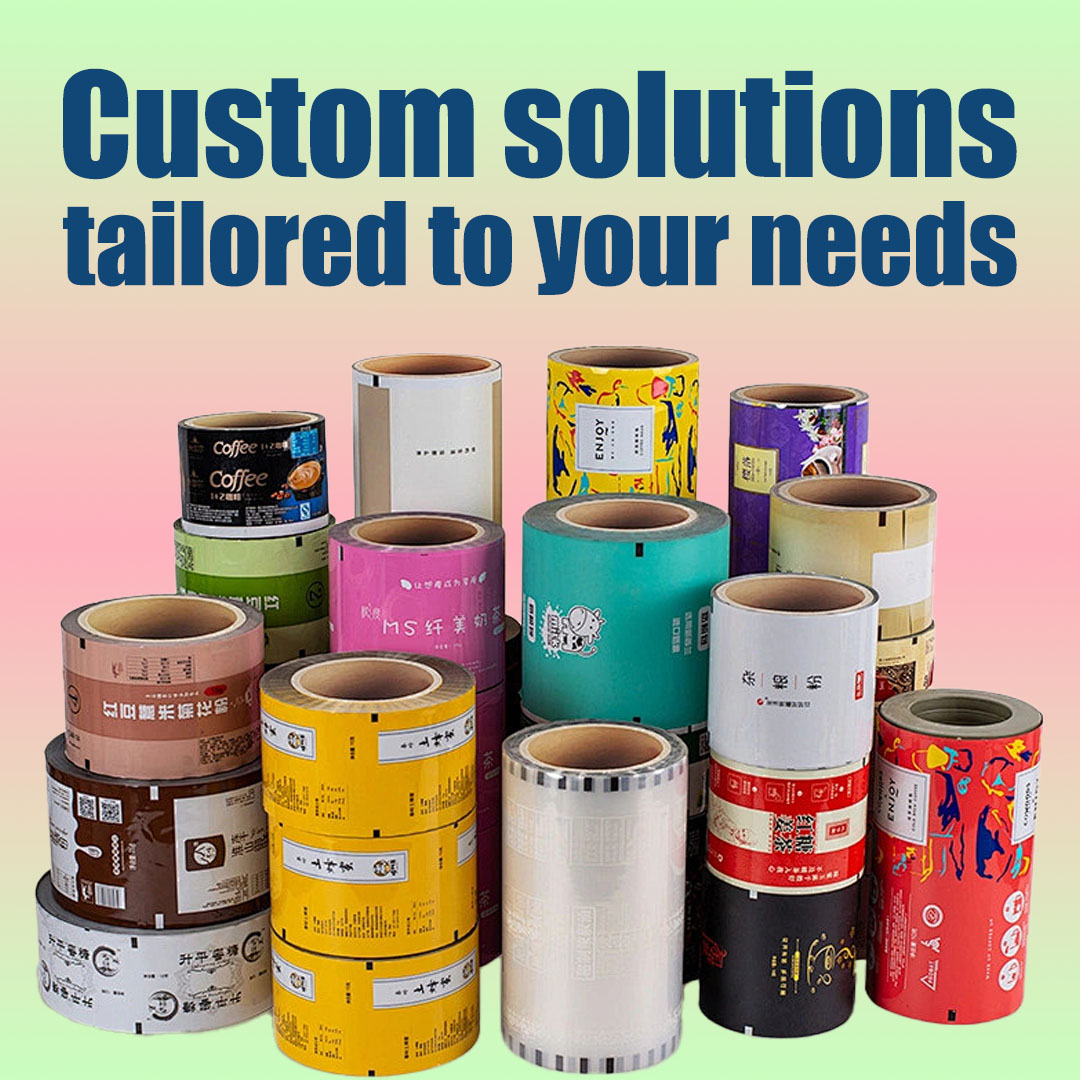
17 May 2026
Packaging Roll Film: An Essential Solution for Modern Automated Packaging
As automated packaging equipment becomes increasingly common across global manufacturing industries, packaging roll film has become one of the most important flexible packaging solutions for food, beverages, pharmaceuticals, pet food, and household products. Compared with pre-made pouches, roll film packaging offers higher production efficiency, lower packaging costs, and greater flexibility for large-scale manufacturing.
Today, brands are looking for packaging solutions that not only protect products but also improve production speed and enhance shelf appeal. Packaging roll film meets these demands by combining excellent barrier performance, customizable printing, and compatibility with high-speed packaging machines.
What Is Packaging Roll Film?
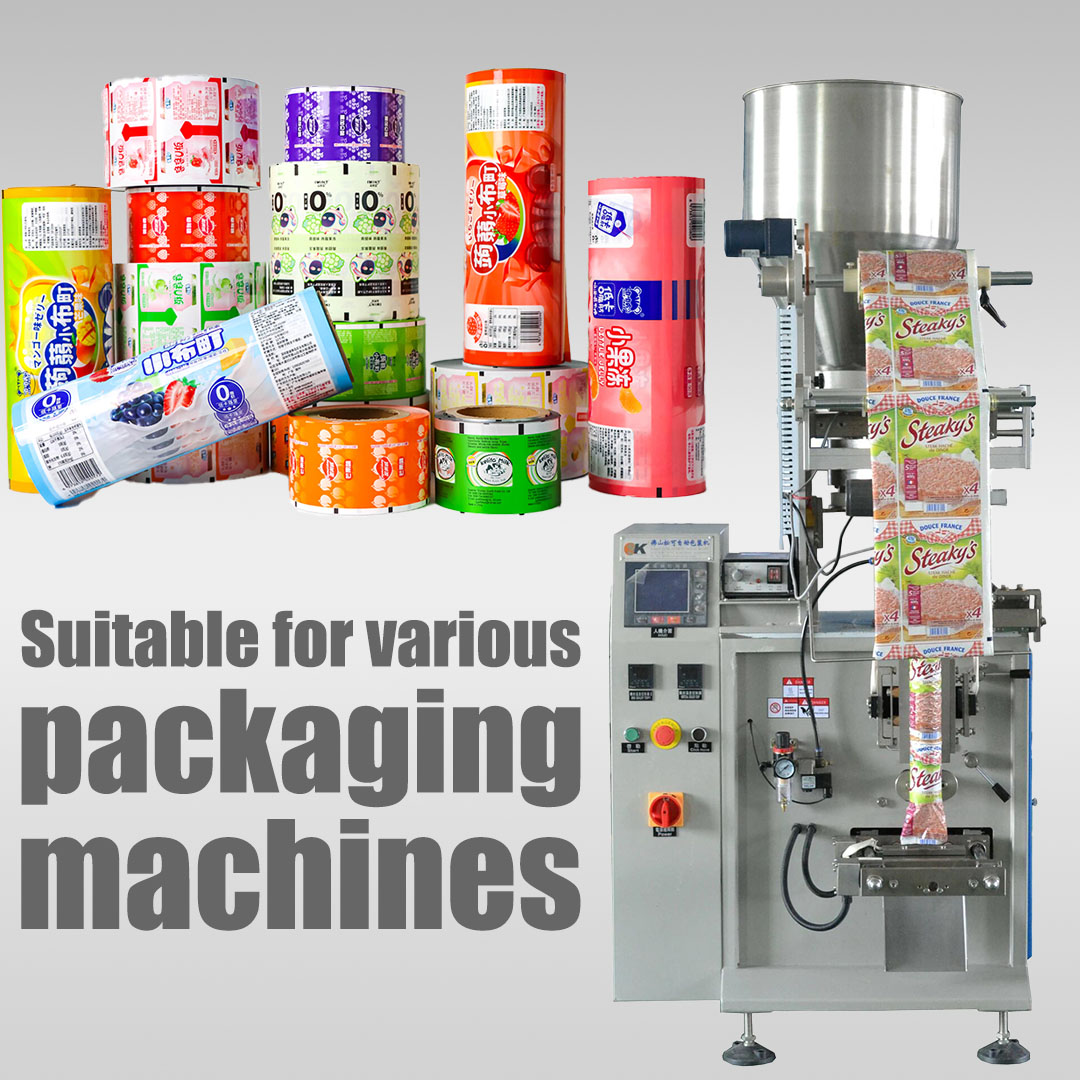
Packaging roll film is flexible packaging material supplied in roll form and used on automatic filling and sealing machines. During the packaging process, the film is automatically formed into bags, filled with products, and sealed on the production line.
Roll film can be converted into many packaging styles, including:
Pillow bags
Back seal bags
Three-side seal bags
Four-side seal bags
Stick packs
Vacuum packaging bags
Shaped packaging bags
Because of its compatibility with automated systems, roll film is widely used in modern packaging factories.
Key Advantages of Packaging Roll Film
1. High Production Efficiency
One of the biggest advantages of roll film packaging is its ability to support high-speed automated production. Compared with manual packaging or pre-made bags, roll film allows continuous packaging operations with minimal labor involvement.
For large-scale food factories and consumer goods manufacturers, this significantly improves production capacity and operational efficiency.
2. Lower Packaging Costs
Roll film typically requires less storage space and is easier to transport compared with pre-made pouches. Since the bags are formed directly on the packaging machine, businesses can reduce packaging and logistics costs.
For companies with large production volumes, roll film provides a highly economical packaging solution.
3. Excellent Product Protection
Modern packaging roll film usually features multi-layer laminated structures designed to protect products from:
Moisture
Oxygen
Light exposure
External contamination
Odor transfer
This protection is especially important for food, coffee, powder products, pharmaceuticals, and products with extended shelf-life requirements.
4. High-Quality Custom Printing
In addition to functionality, roll film also provides strong branding opportunities. Advanced gravure and digital printing technologies allow manufacturers to create attractive packaging designs with:
Vibrant graphics
Brand logos
Product information
Barcode and QR code printing
Custom visual designs
Well-designed packaging helps products attract consumer attention and improves brand recognition on retail shelves.
Common Applications of Roll Film Packaging
Packaging roll film is widely used across many industries due to its flexibility and efficiency.
Food Packaging
Roll film is commonly used for:
Chips and snack foods
Biscuits and candy
Frozen foods
Nuts and dried fruits
Instant foods
Seasonings and spices
Coffee and Tea Packaging
High-barrier roll film helps preserve aroma and freshness for coffee beans, ground coffee, and tea products.
Pharmaceutical and Supplement Packaging
Powders, granules, and nutritional supplements often require strong sealing performance and product protection, making roll film an ideal solution.
Household and Daily Products
Products such as wet wipes, detergent powders, shampoo sachets, and cleaning products are frequently packaged using roll film systems.
Customization Options for Roll Film
To meet different product and machine requirements, manufacturers can provide customized roll film solutions.
Material Structure Options
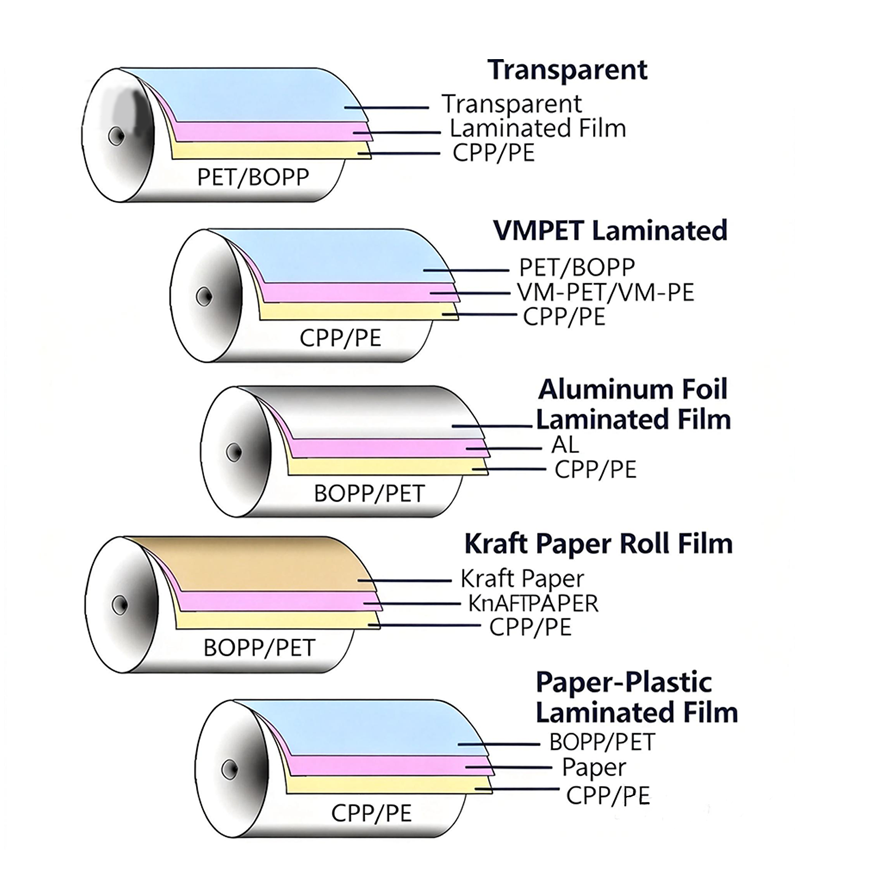
Common material combinations include:
PET/PE
PET/AL/PE
BOPP/CPP
NY/PE
Different structures provide varying levels of barrier protection, puncture resistance, and heat sealing performance.
Surface Finishes
Roll film can be customized with:
Matte finish
Glossy finish
Metallic effects
Spot UV coating
These finishes help enhance packaging appearance and product positioning.
Functional Features
Additional features may include:
Easy-tear design
Vacuum packaging structures
High-barrier layers
Customized heat sealing performance
Leak-resistant structures
These functional options allow roll film to meet the packaging requirements of different industries and products.
Why More Businesses Choose Roll Film Packaging
As market competition continues to grow, manufacturers need packaging solutions that improve efficiency, reduce costs, and strengthen brand image. Packaging roll film offers all of these advantages while supporting modern automated production systems.
Its combination of flexibility, cost-effectiveness, product protection, and printing quality makes roll film one of the most important solutions in today’s flexible packaging industry.
With the continued growth of automated manufacturing worldwide, packaging roll film is expected to remain a key packaging material for food, pharmaceutical, pet food, and consumer product industries in the years ahead.